🚚 FREE WORLDWIDE SHIPPING ON ORDERS OVER $70 (~€60)

What Is Paak Design?

Most clothing brands spend a lot of effort getting their name onto your chest. Paak Design spends its effort keeping it off.

That’s the whole point, not a marketing gimmick. Paak is a Milan-born creative design brand that makes clothing, gifts and other objects built around humor, parody, and original ideas. It calls itself a design project rather than a fashion label, and the distinction matters more than it sounds like it should.
The billboard problem

Somewhere along the way, buying clothes turned into free advertising for someone else’s company. You pay for a T-shirt, and the brand gets promotion every time you leave the house. You wear a city you’ve never lived in, a sports team you’ve never watched, a logo that mostly tells strangers what you paid for it.

Paak’s founder, Alex Paak, finds that arrangement a little absurd. Not because logos are evil, but because the transaction runs backwards — you’re the one who paid, and you’re still the one doing the advertising.

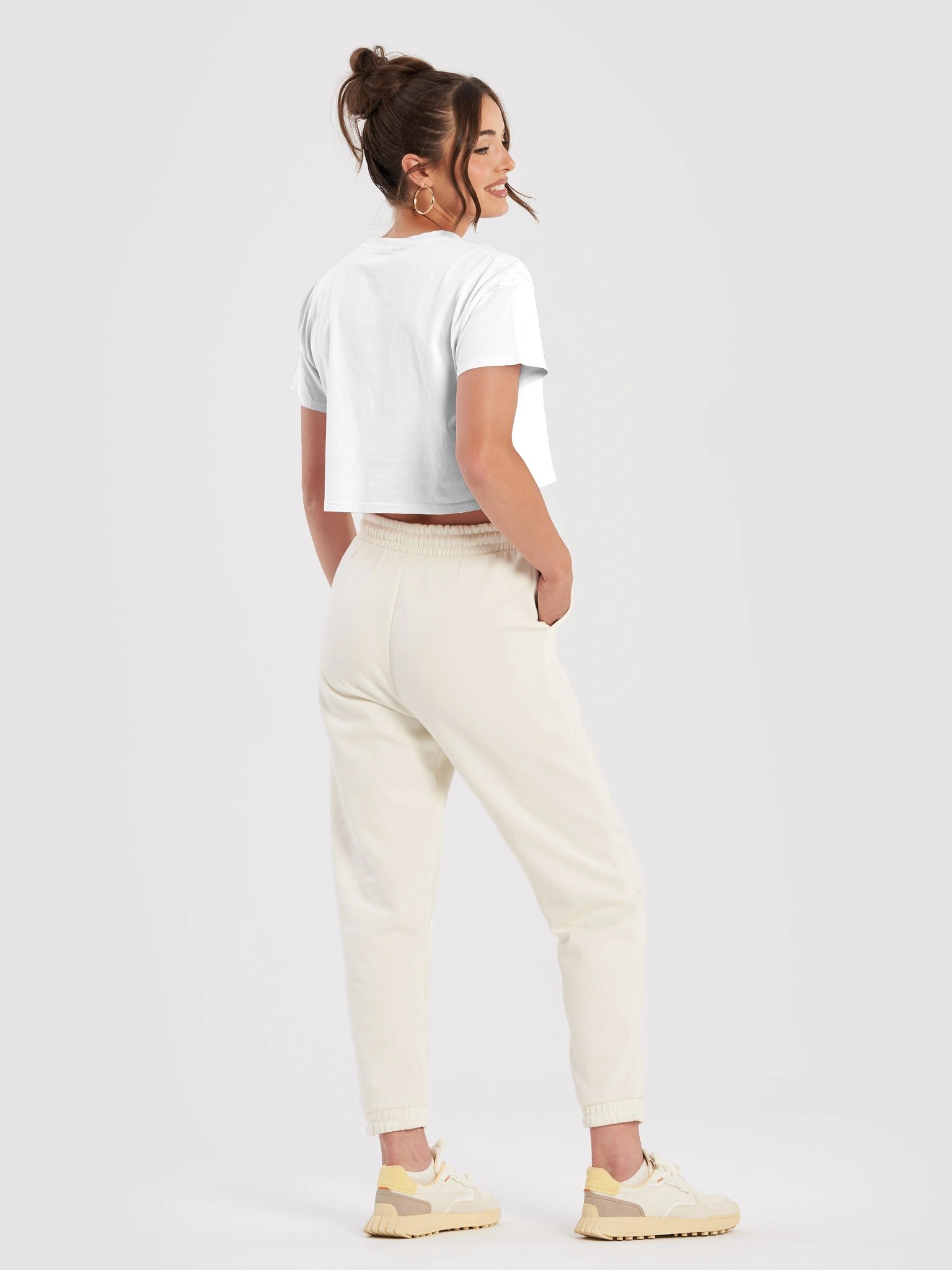
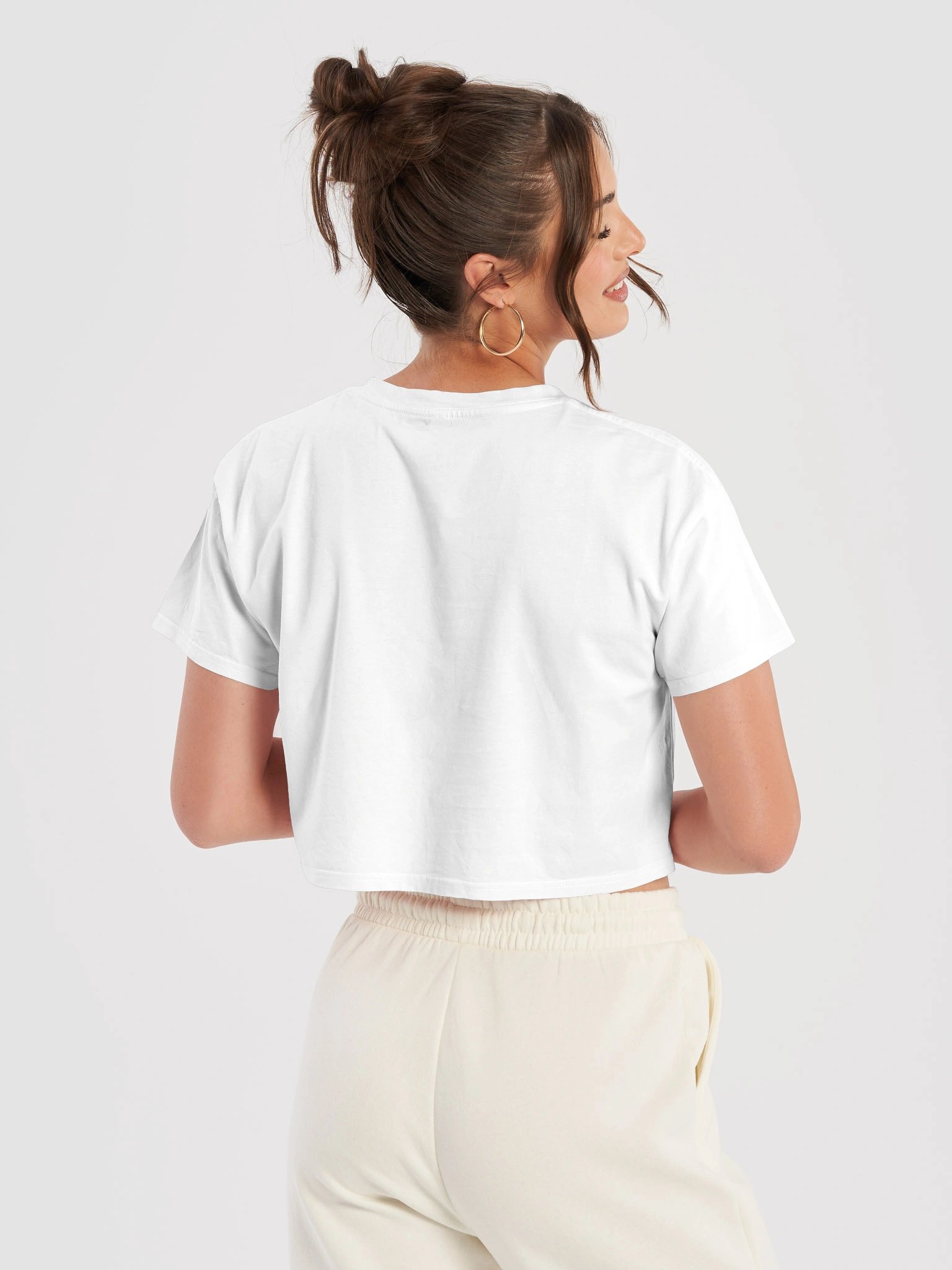
So Paak products don’t carry the Paak name. No logo on the sleeve, no wordmark across the chest. The parody or the concept is the thing you’re wearing; the brand itself stays invisible. If you like the design, you like the design. Nobody’s borrowing your body as ad space — not even Paak itself.

Who’s actually behind it

Alex Paak isn’t a meme account that discovered a print-on-demand plugin. He’s a multidisciplinary designer who has worked across UX, apps, games, AR and social products, led UX at SaaS companies, mentored a long list of other designers, and built AR work that’s pulled in more than two billion views — enough that TikTok put him in the top 1% of creators on the platform. He’s also collaborated with OpenAI and had work recognized internationally.

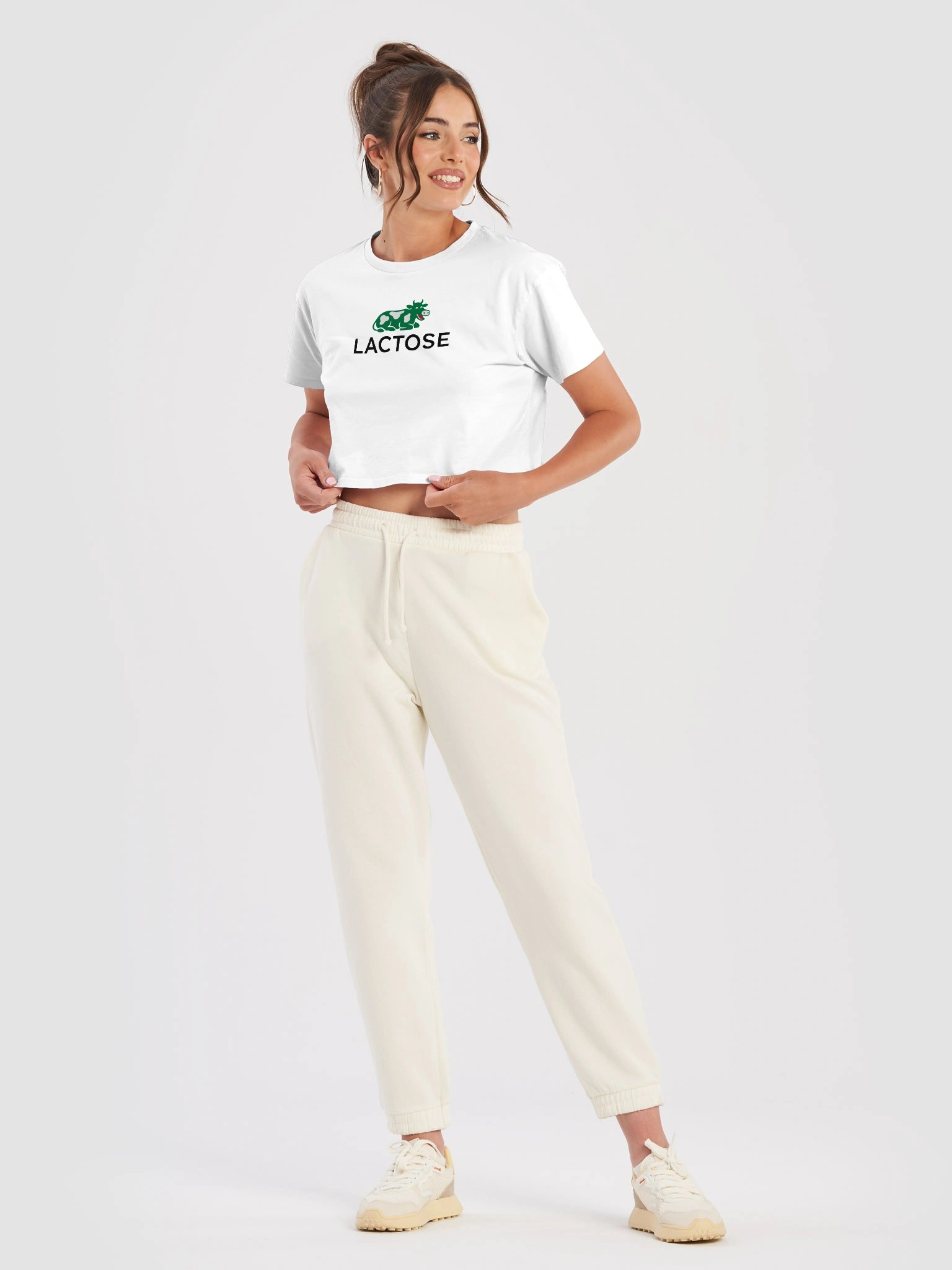
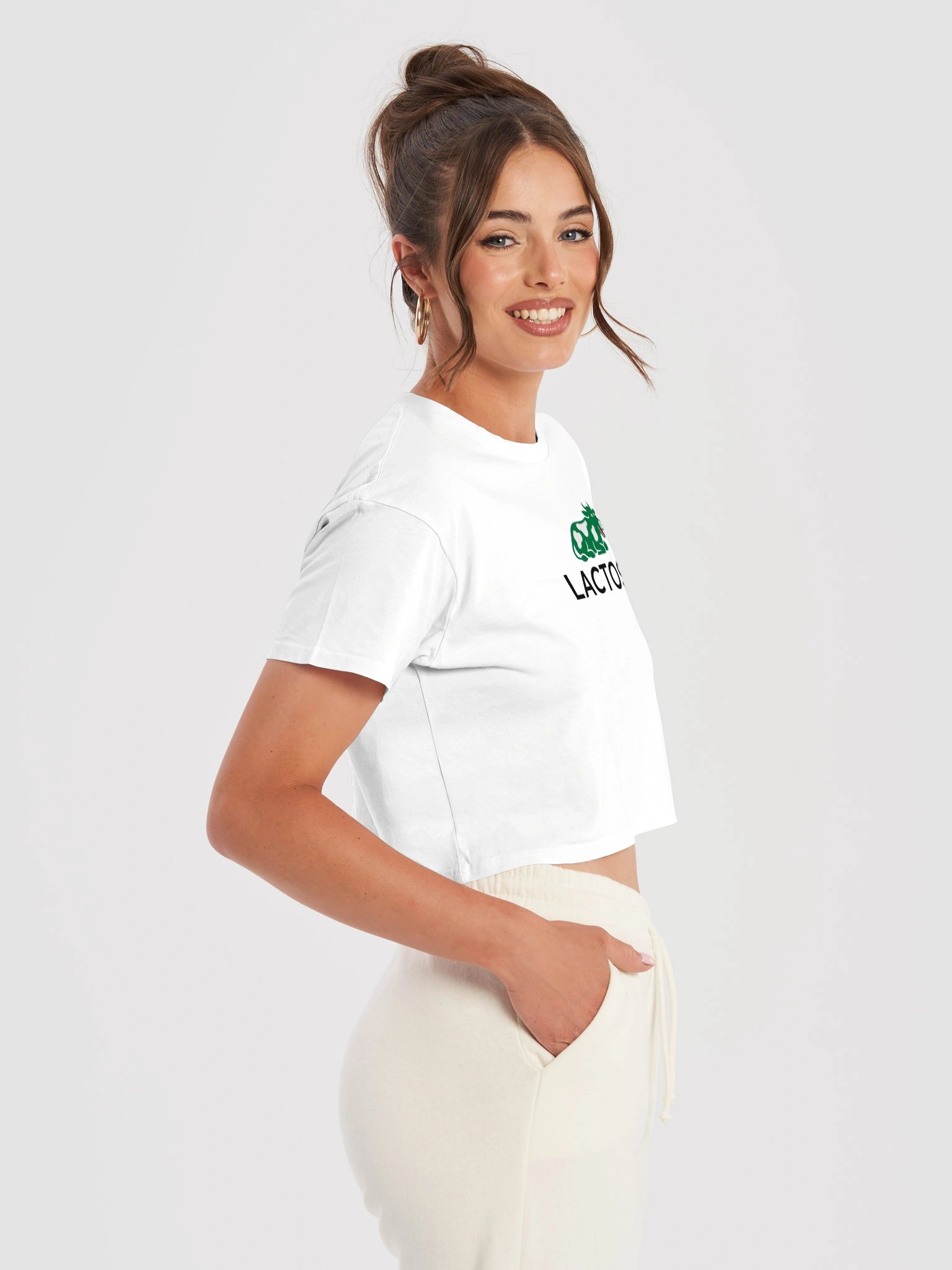
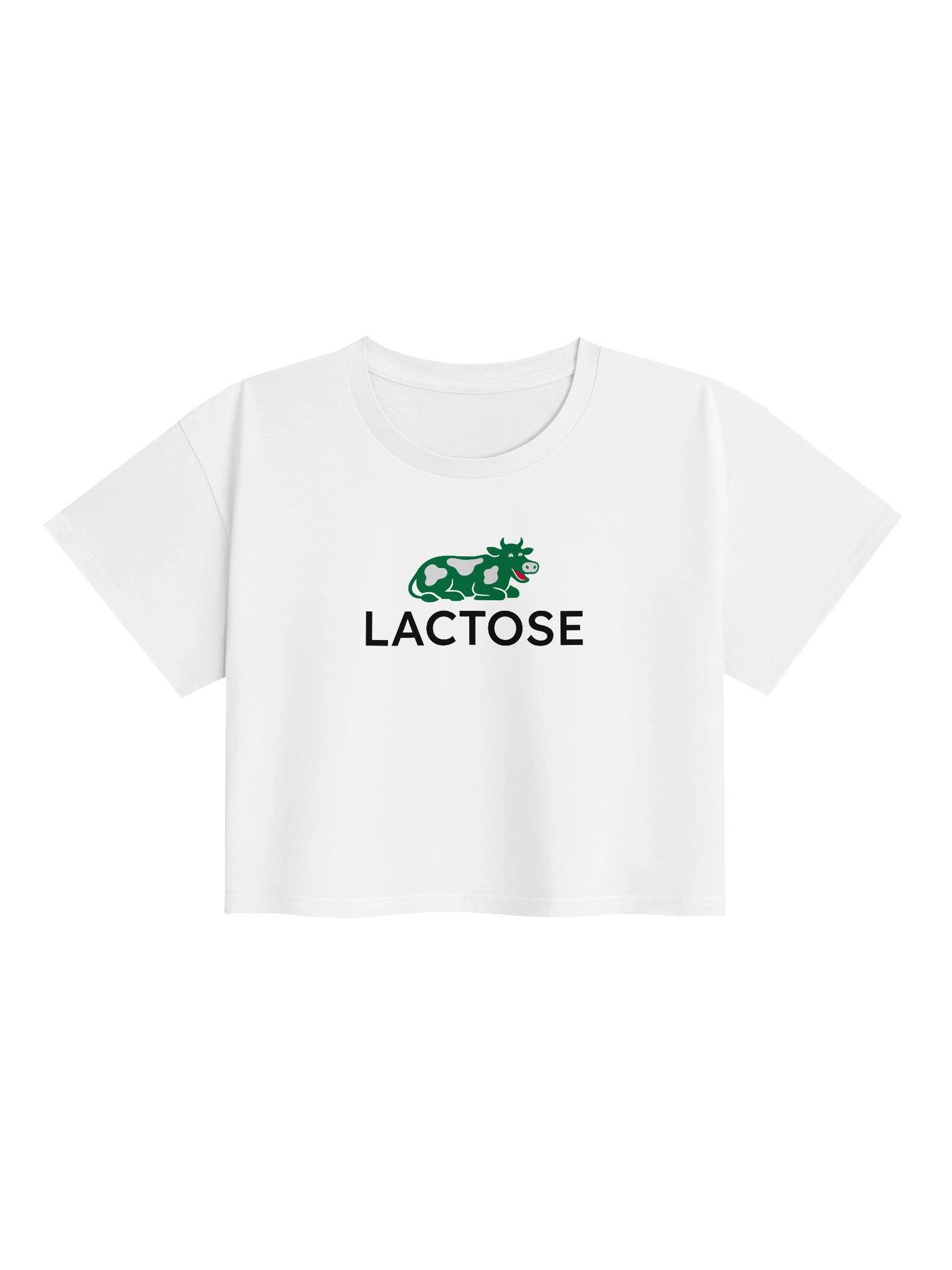
None of that is the point of the T-shirt. But it explains why the T-shirt looks the way it does. Paak treats a parody logo the way a design studio treats a client brief: the joke has to land, and the execution still has to hold up. A funny idea drawn badly is still a badly drawn idea. On the cow that replaces Lacoste’s crocodile, even the spots are placed on purpose, not scattered in for texture.

Milan is part of this too. It’s the kind of city that teaches you beauty doesn’t need a practical justification — something can just be well made and good to look at. That shows up in how much attention goes into pieces that are, technically, jokes.

The parody, explained properly

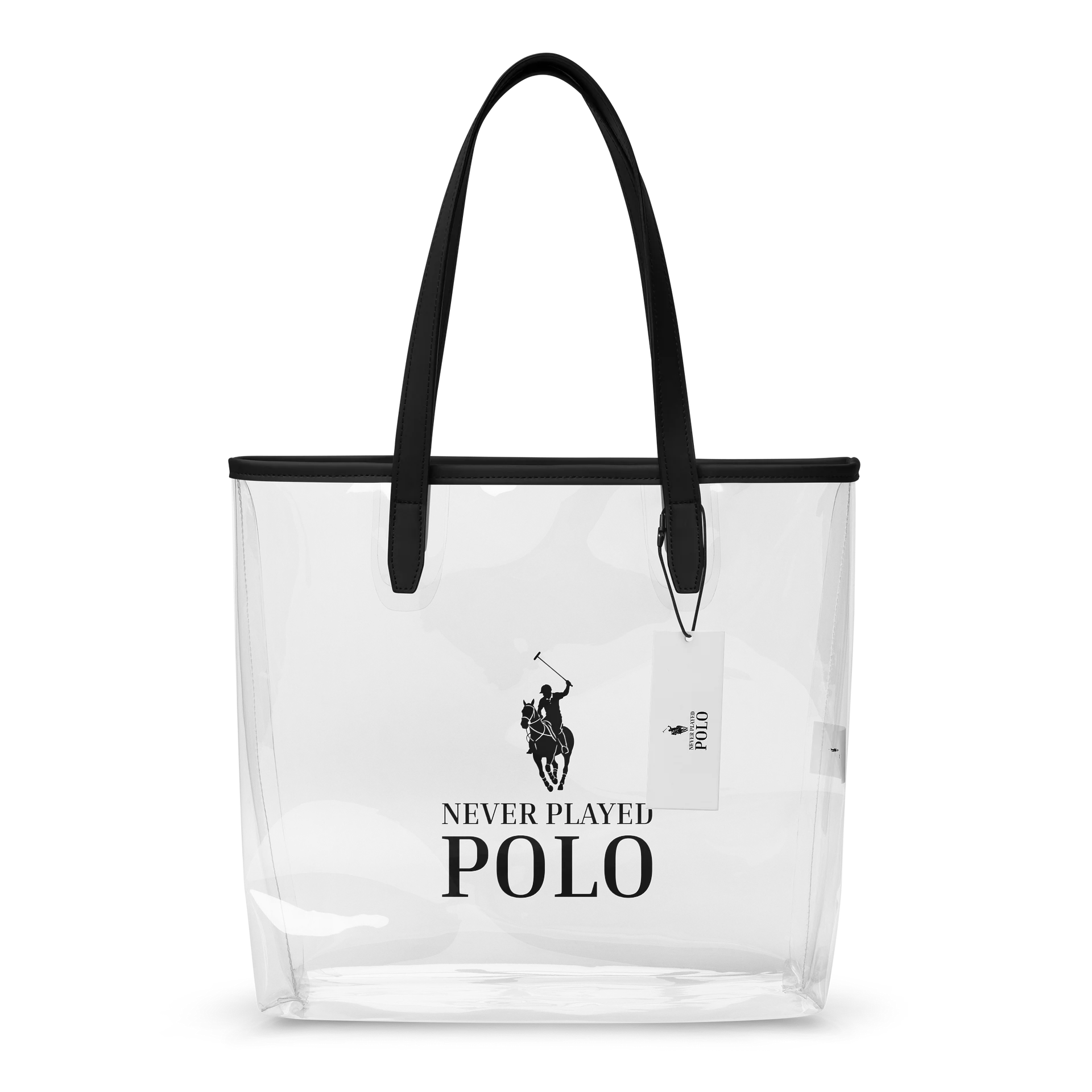
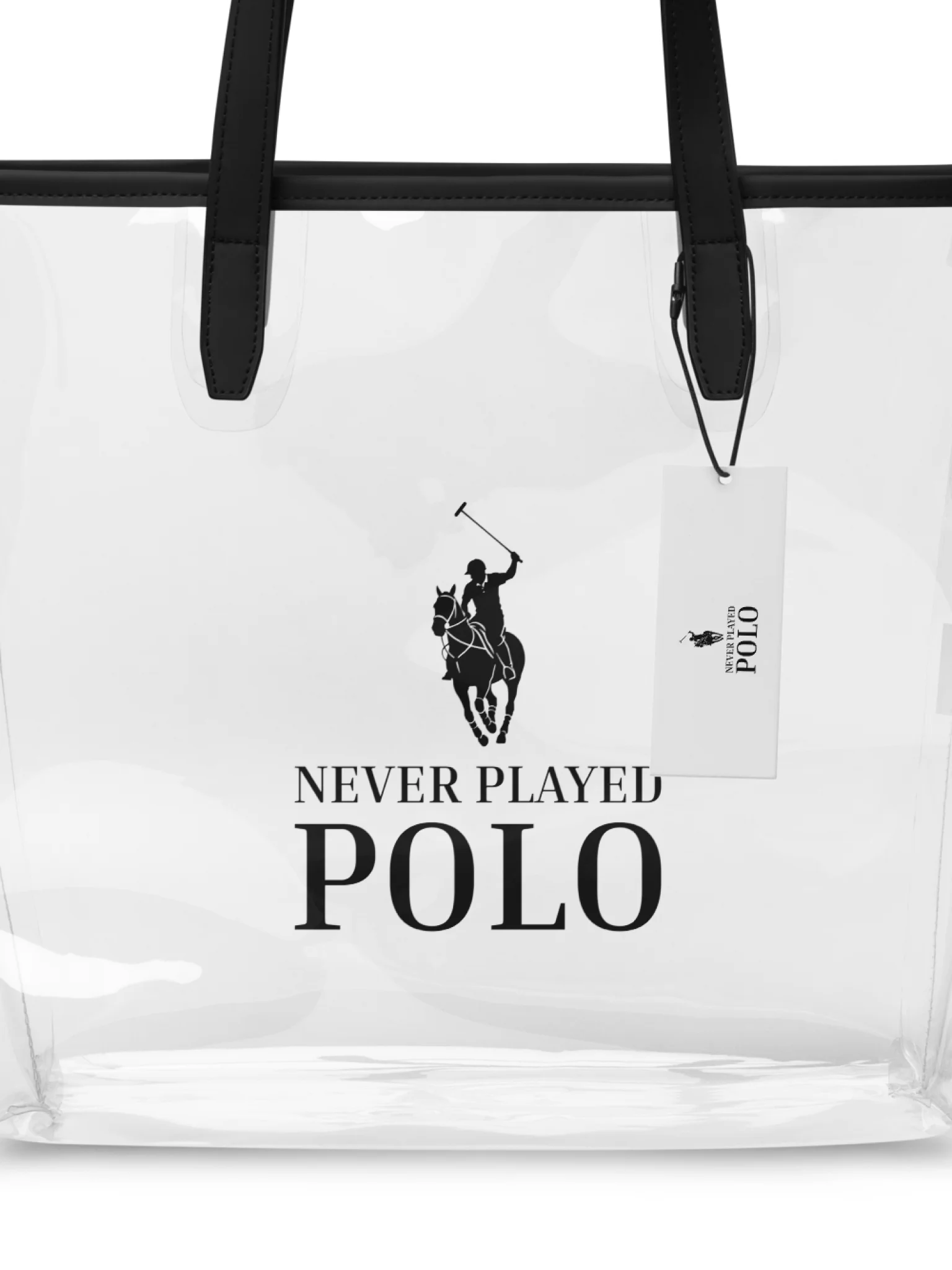
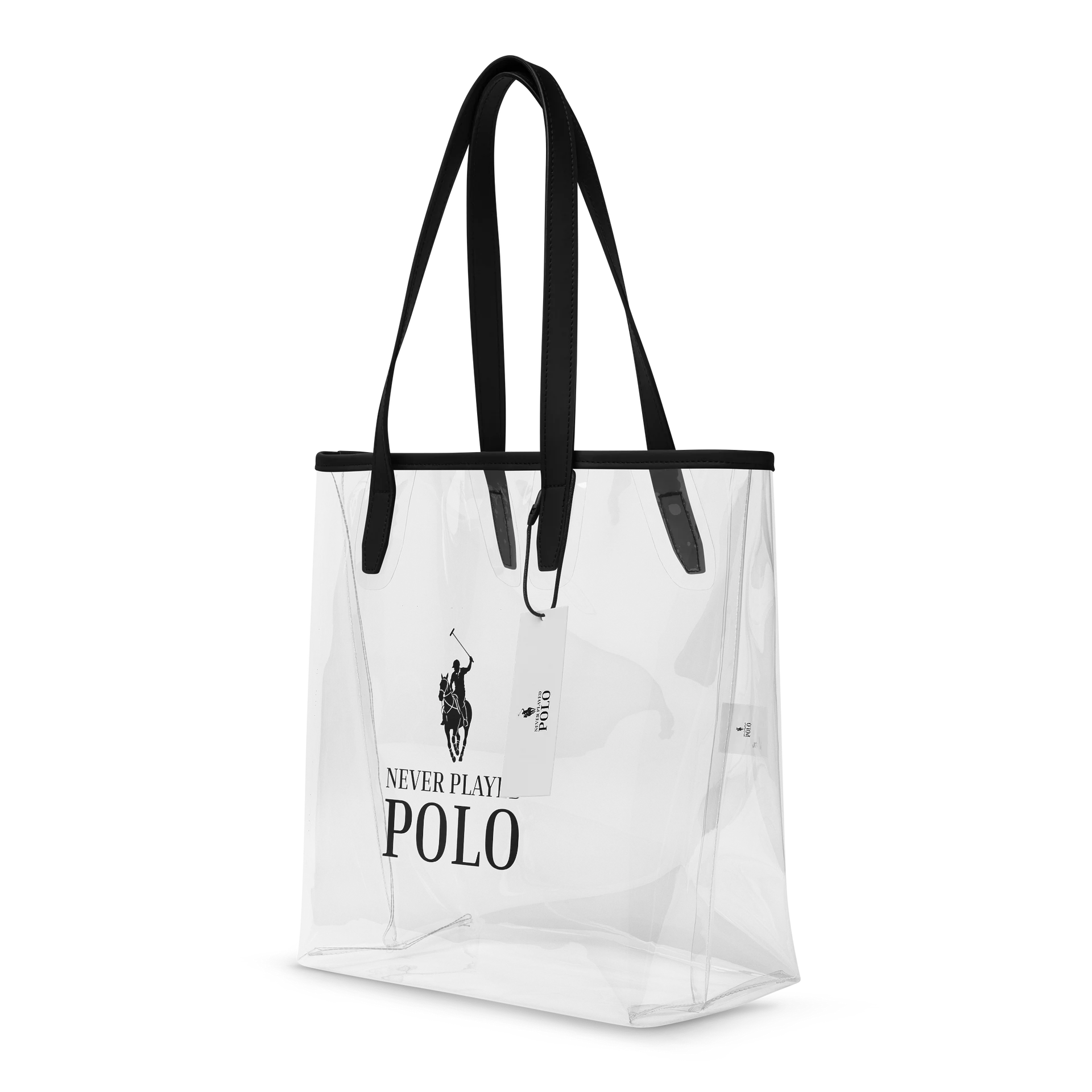
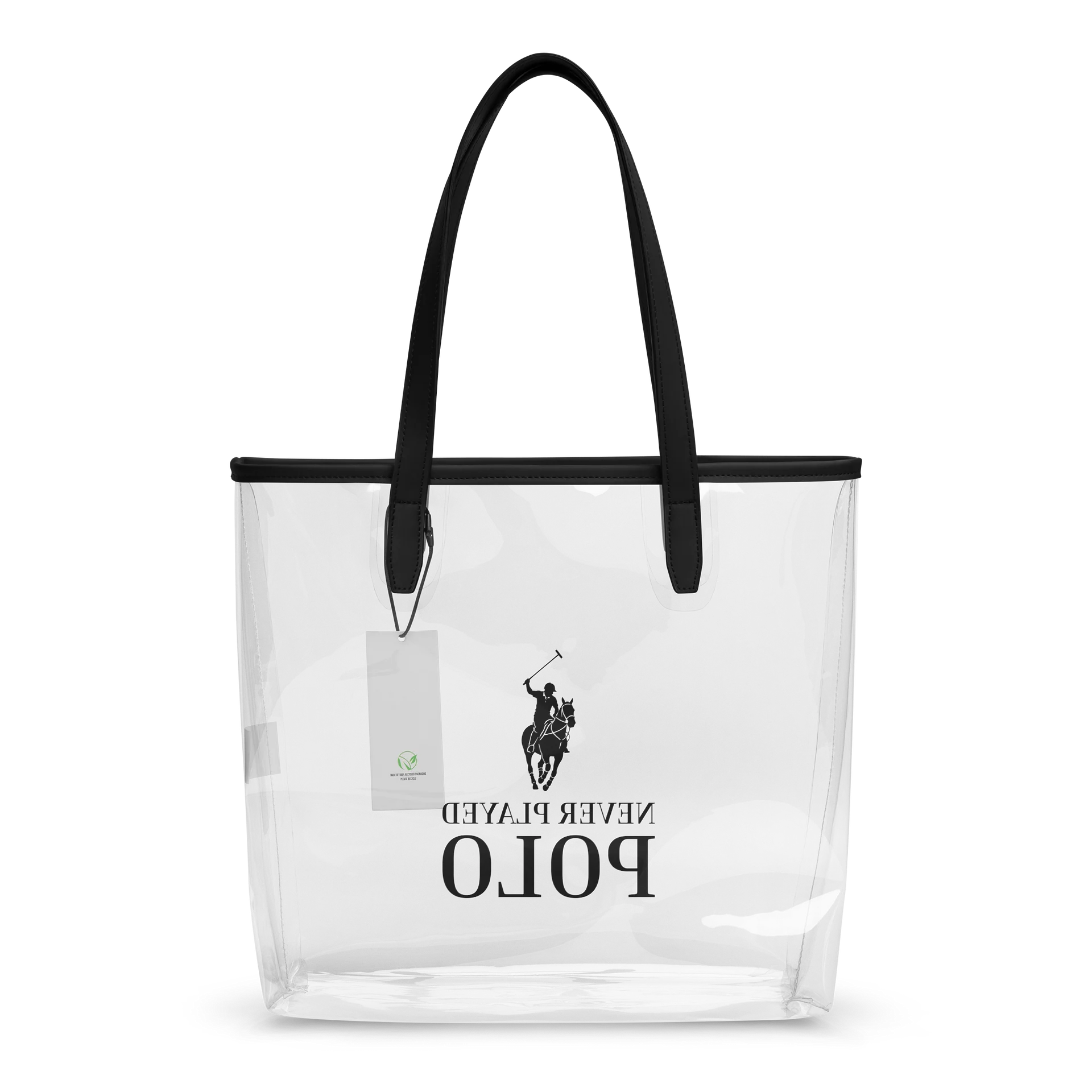
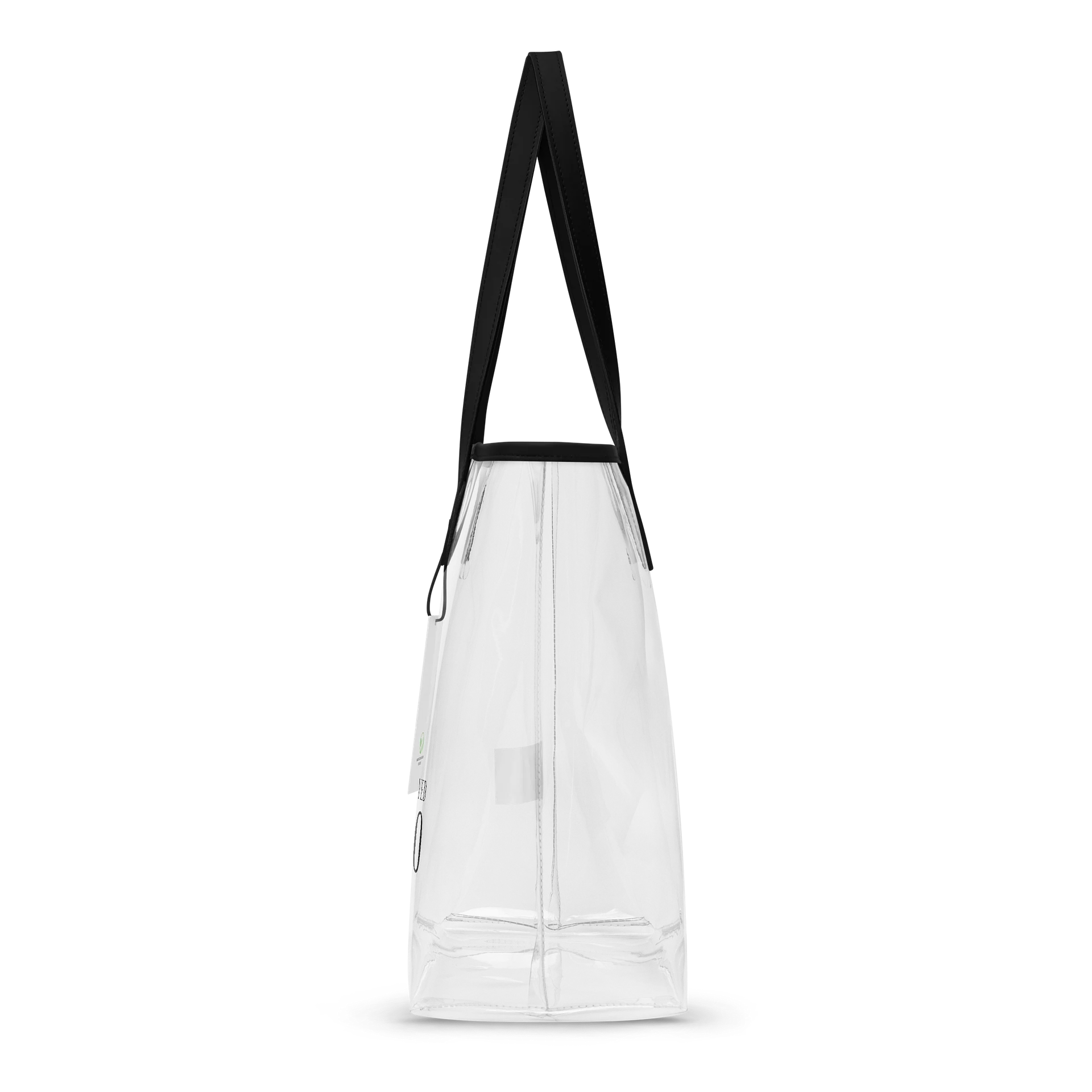
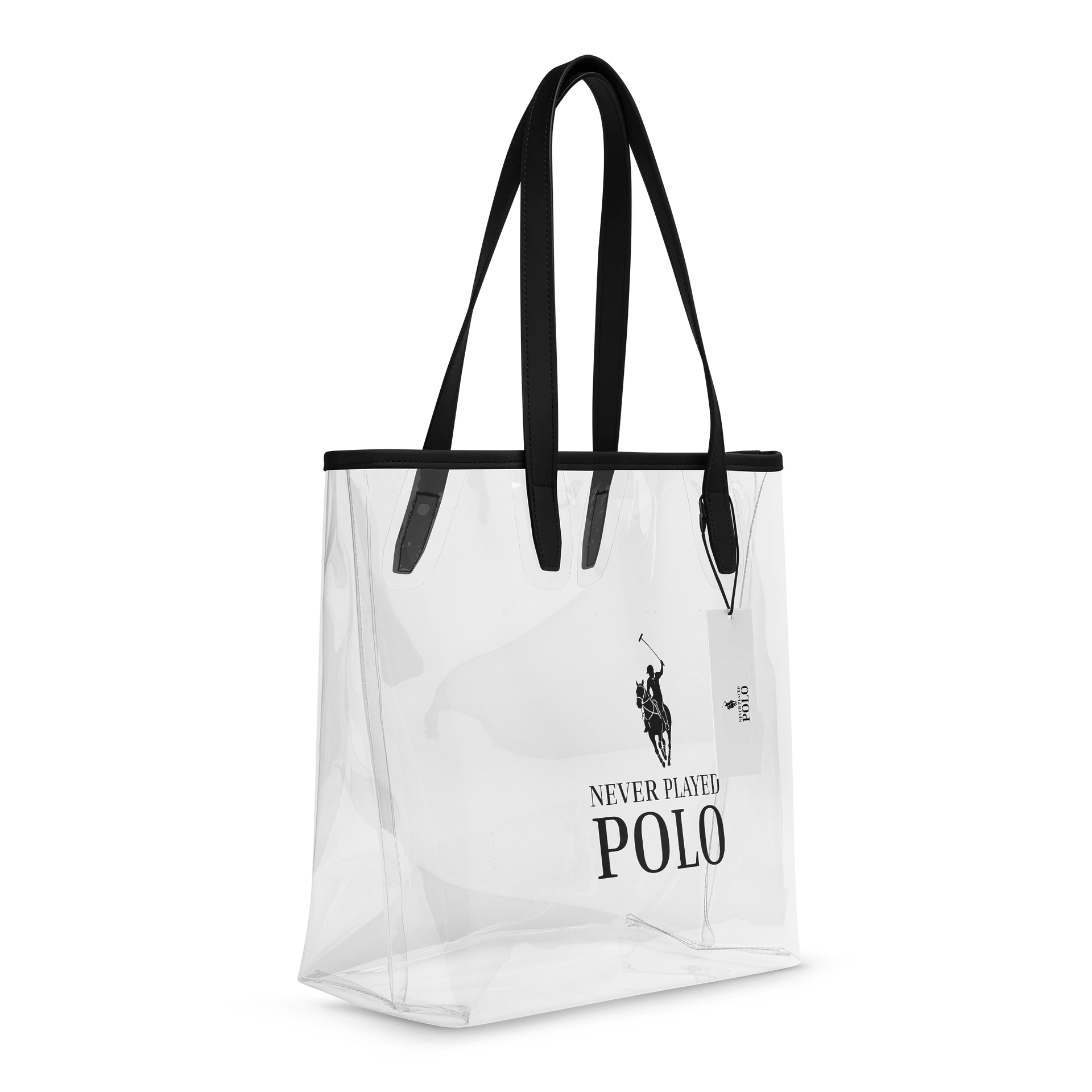
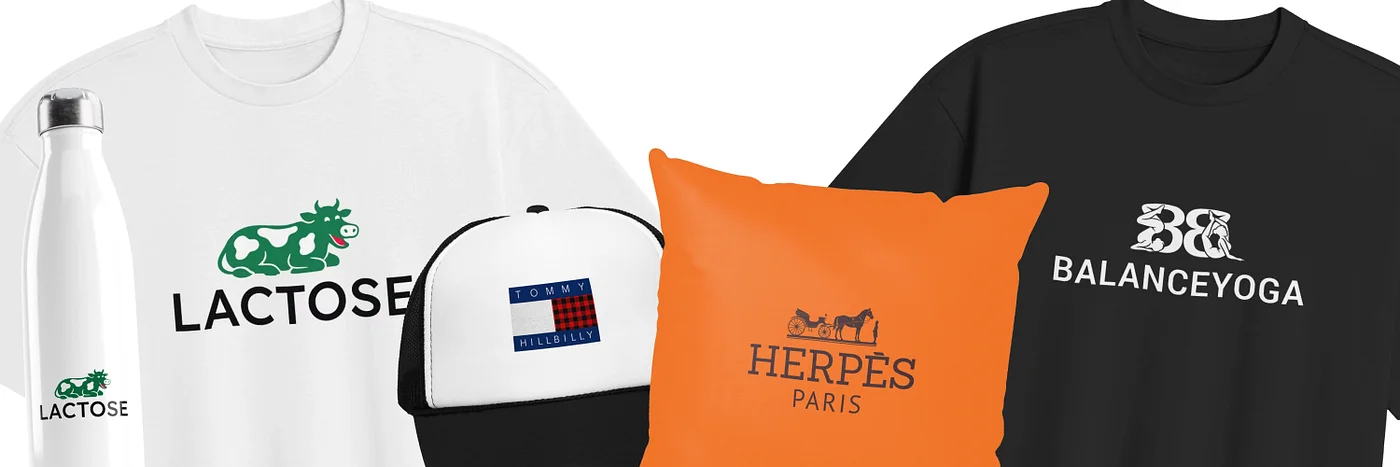
Right now, parody is Paak’s main language. Lactose swaps Lacoste’s crocodile for a green cow. Herpès Paris riffs on Hermès. Balanceyoga plays with Balenciaga. Moschito puts a mosquito where Moschino’s logo would go. Bvlgaria has a warrior mid-Bulgarian-split-squat. Givenshi turns Givenchy into something closer to “given shit,” with the tagline “Real Paris Shi.” There’s also Tommy Hillbilly, Georgia Armenia, and Never Played Polo, which might be the sharpest one in the lineup.

Never Played Polo isn’t really mocking polo shirts. It’s asking why so many people wear the identity of a sport they’ve never played, or watched, or thought about beyond the little embroidered horse. That’s the difference between a cheap knockoff joke and an actual observation: one changes a letter, the other points at something you’d already half-noticed and never said out loud.

What it isn’t

Paak isn’t a print-on-demand shop slapping a meme on a hoodie and calling it a drop. It isn’t luxury, and it isn’t trying to be — the goal is decent design at a price that doesn’t need explaining to your bank account. It isn’t influencer merch, and it isn’t built for people who want everything to stay exactly as conventional as it already is.

It’s for people who’d rather wear something they find genuinely funny or clever than something that signals what they can afford. If your ideal T-shirt makes someone stop and read it twice, you’re probably the audience. If you mainly want a big logo so people know what you spent, this probably isn’t your store.