🚚 FREE WORLDWIDE SHIPPING ON ORDERS OVER $70 (~€60)

What Is Parody Streetwear?

In 2014, Louis Vuitton sued My Other Bag, a small Los Angeles company selling canvas totes for roughly $30 to $55. Louis Vuitton alleged that My Other Bag’s use of its designs constituted trademark infringement, diluting the value of the famous marks. One side of the tote says “My Other Bag…”, a nod to the old “my other car is a [Ferrari/BMW/Mercedes]” bumper sticker, with a cartoon drawing of a luxury handbag on the other side. Louis Vuitton also tried a narrower argument: that a parody defense should only apply if the joke targets that one exact brand, not luxury bag culture as a whole. Louis Vuitton pointed to a prior case requiring that a parody be specific to its brand rather than speak to luxury or consumption in general. The courts didn’t buy either argument. My Other Bag won, kept winning on appeal, and the case is still cited as the clean example of when a joke is obviously a joke.

That’s most of the argument for parody streetwear, decided in federal court instead of a group chat. The bit worth remembering: the joke doesn’t have to be about one company. It can be about the whole idea of paying a fortune for a symbol.
Parody isn’t the same as a bootleg

People use these words interchangeably. They’re doing opposite jobs. A bootleg wants you, or at least a stranger across the street, to briefly believe it’s real. It copies the exact logo, the exact font, sometimes the exact stitching, and hopes nobody looks too closely.

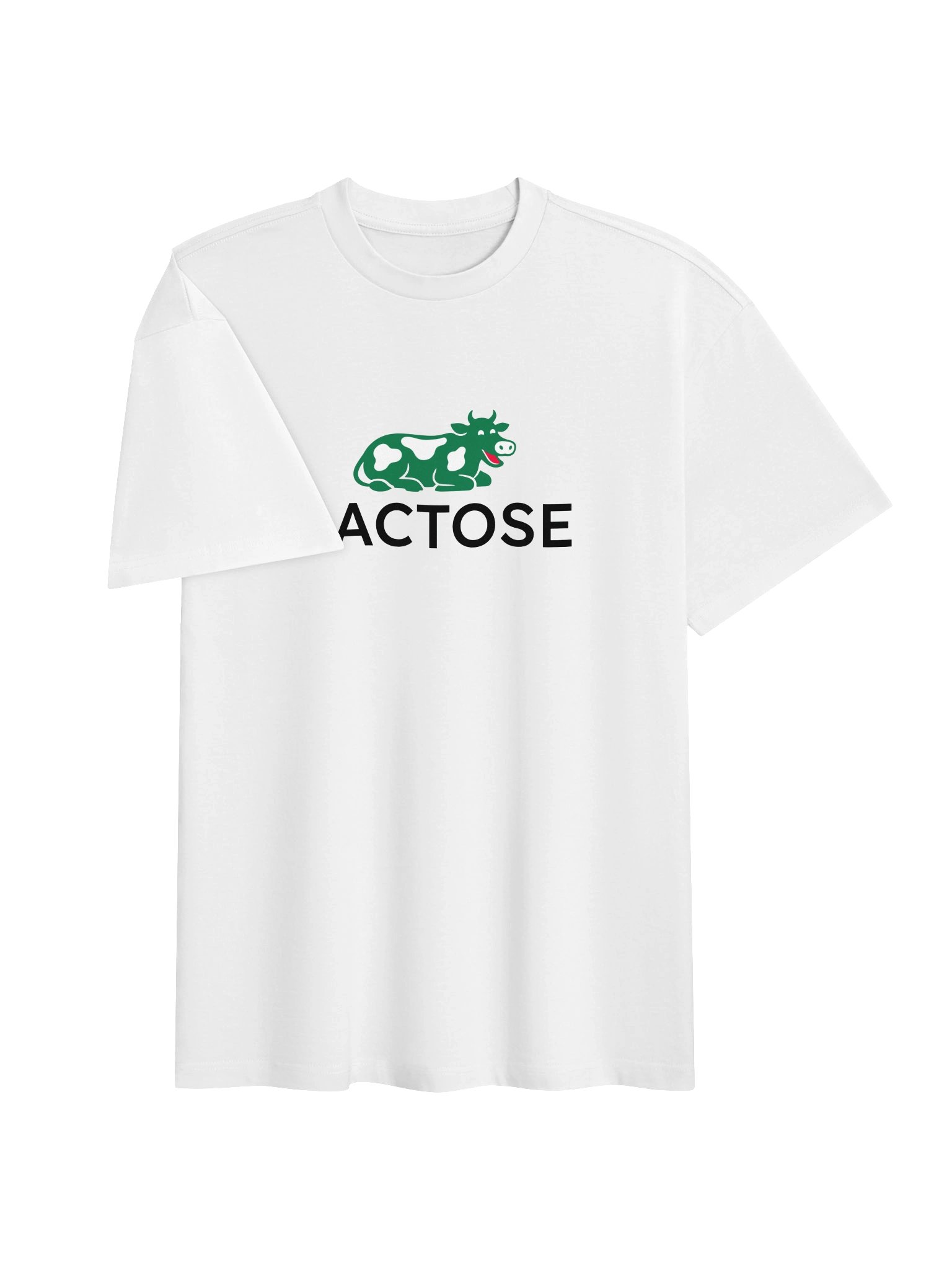
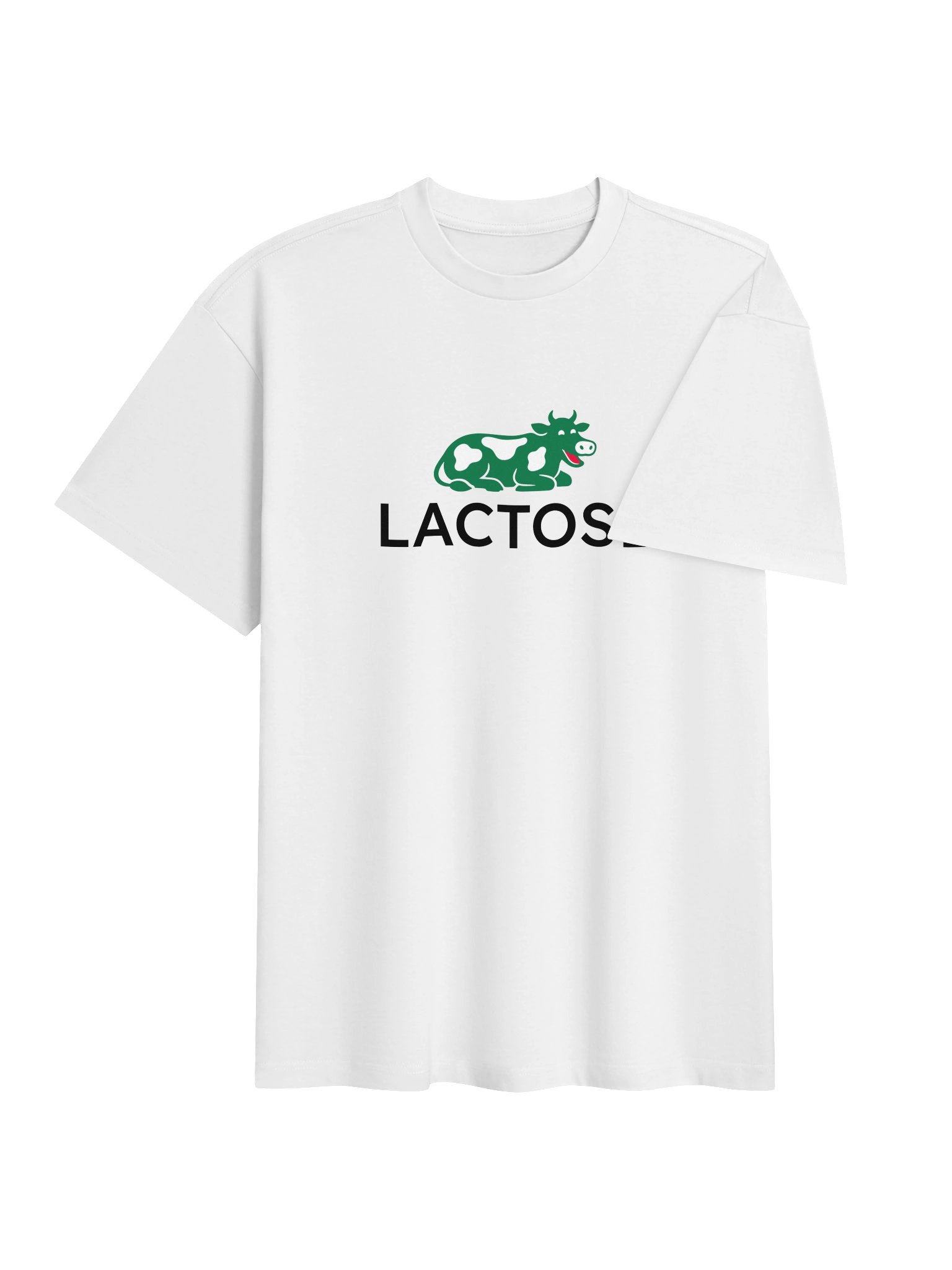
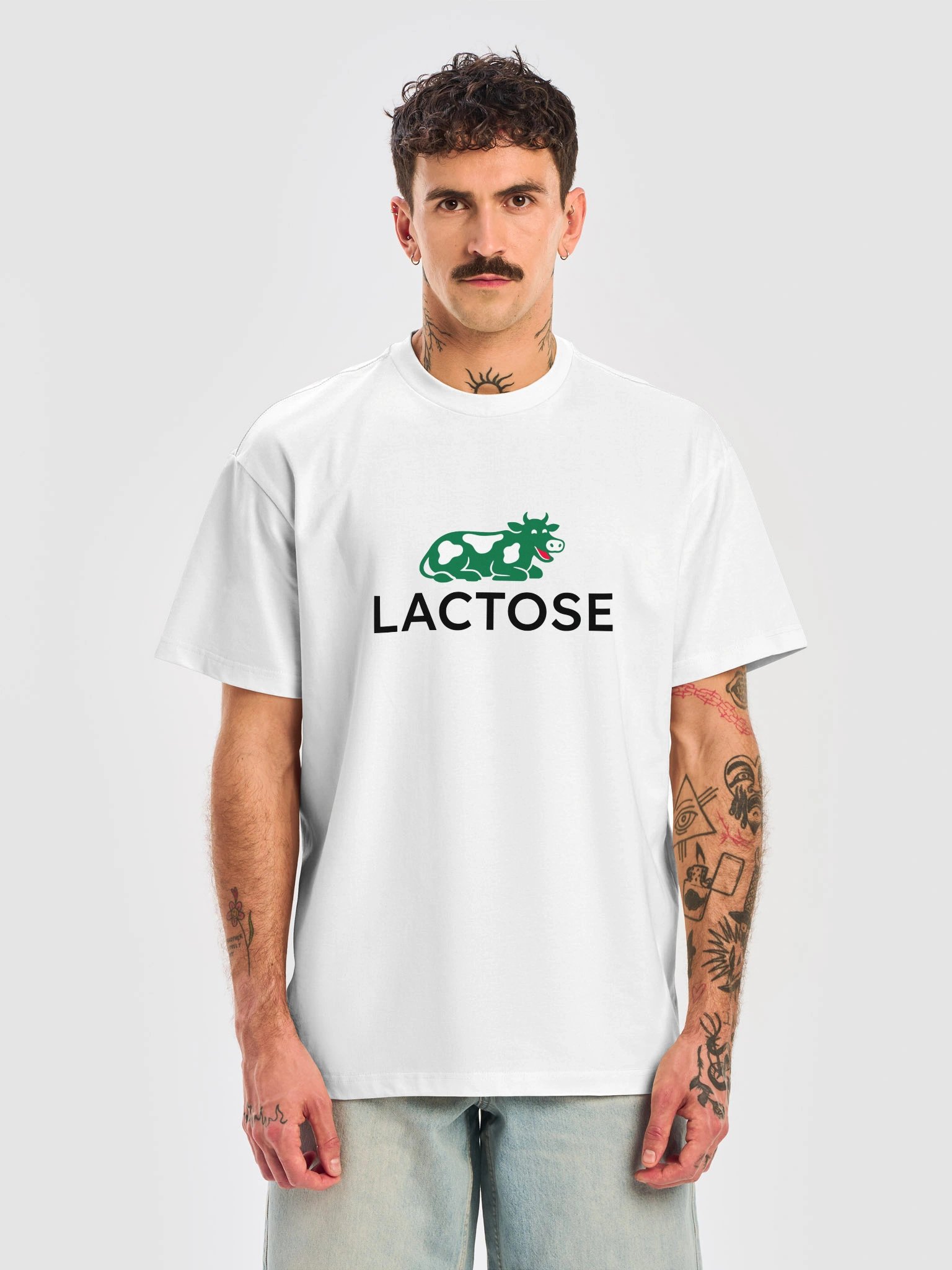
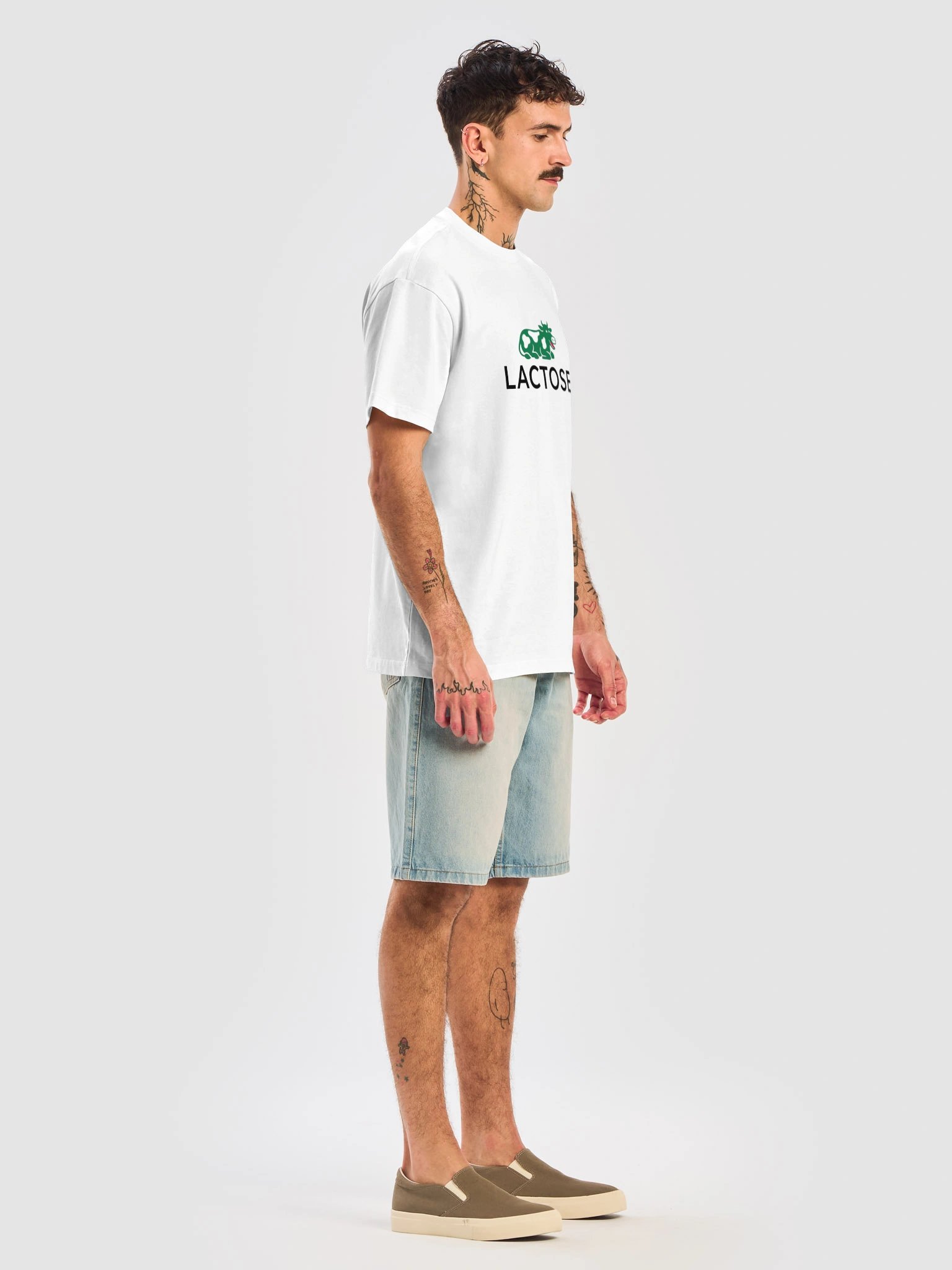
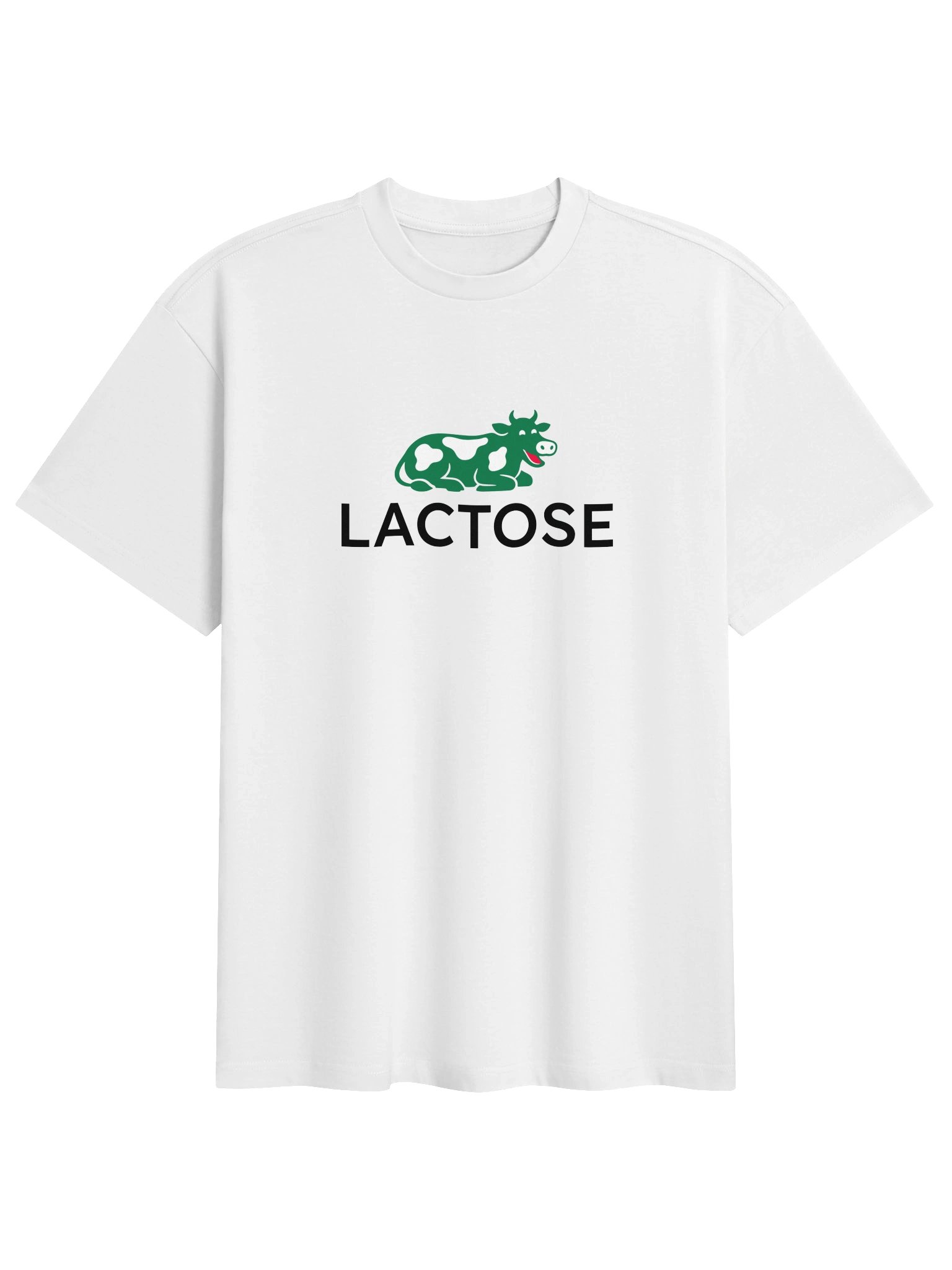
Parody streetwear does the reverse. It changes something on purpose, loudly, so the reference lands instantly and the fakeness is the entire point. Swap Lacoste’s crocodile for a cow and call the brand Lactose, and the joke works in half a second, precisely because everyone can still see what it used to be. Hide the reference and there’s no joke left. Just a shirt with a cow on it.

What separates a good parody from a lazy one

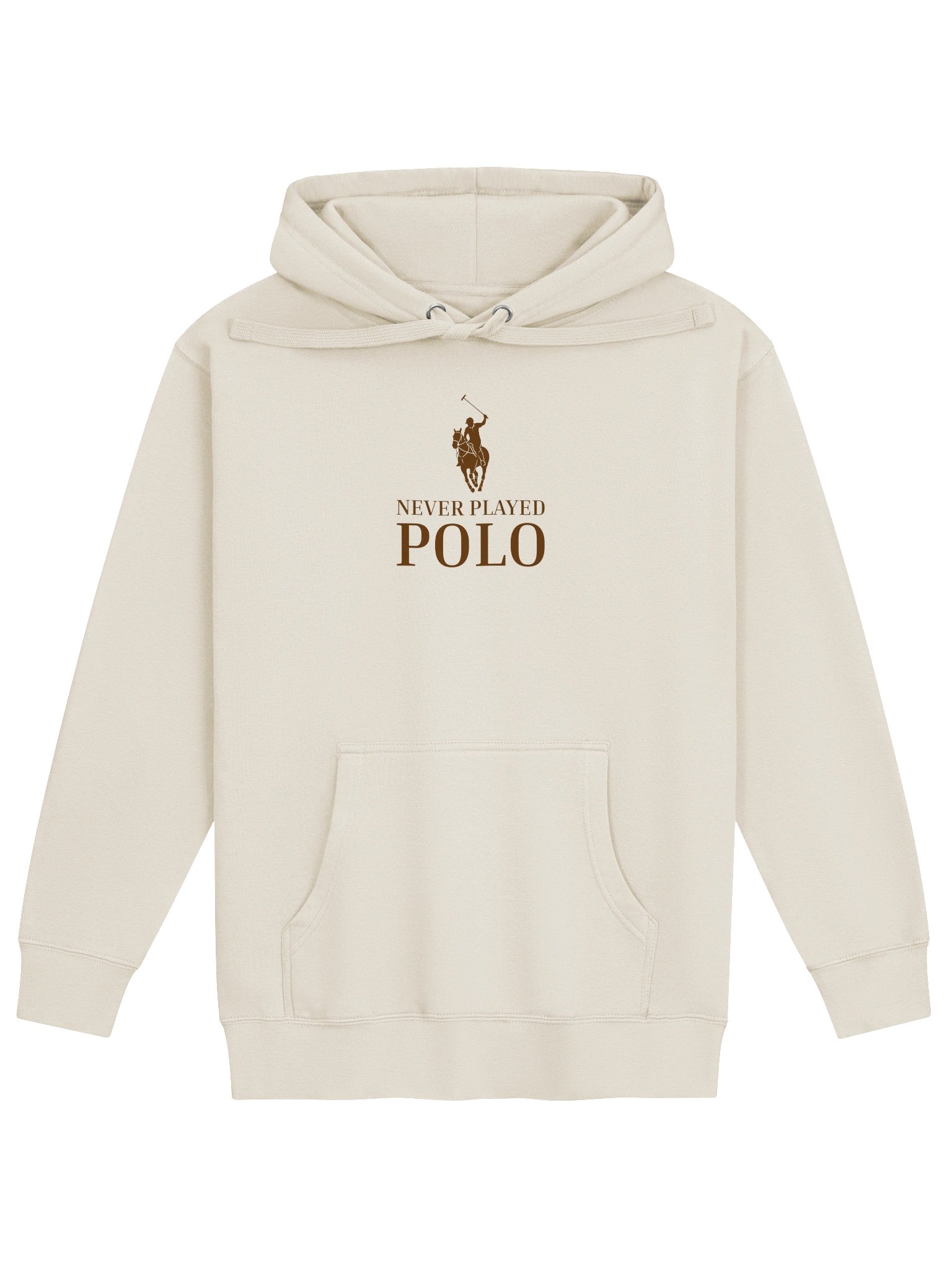
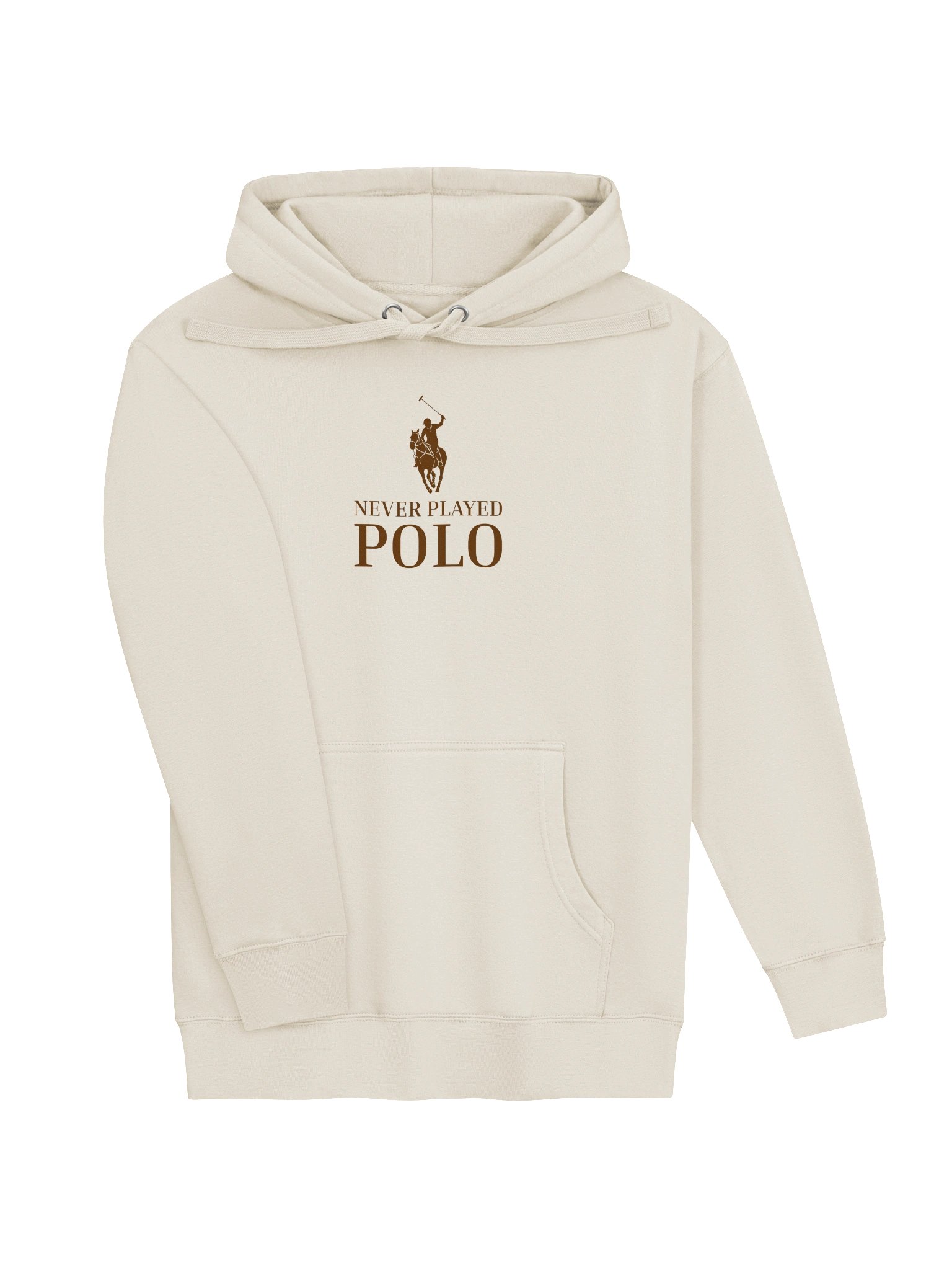
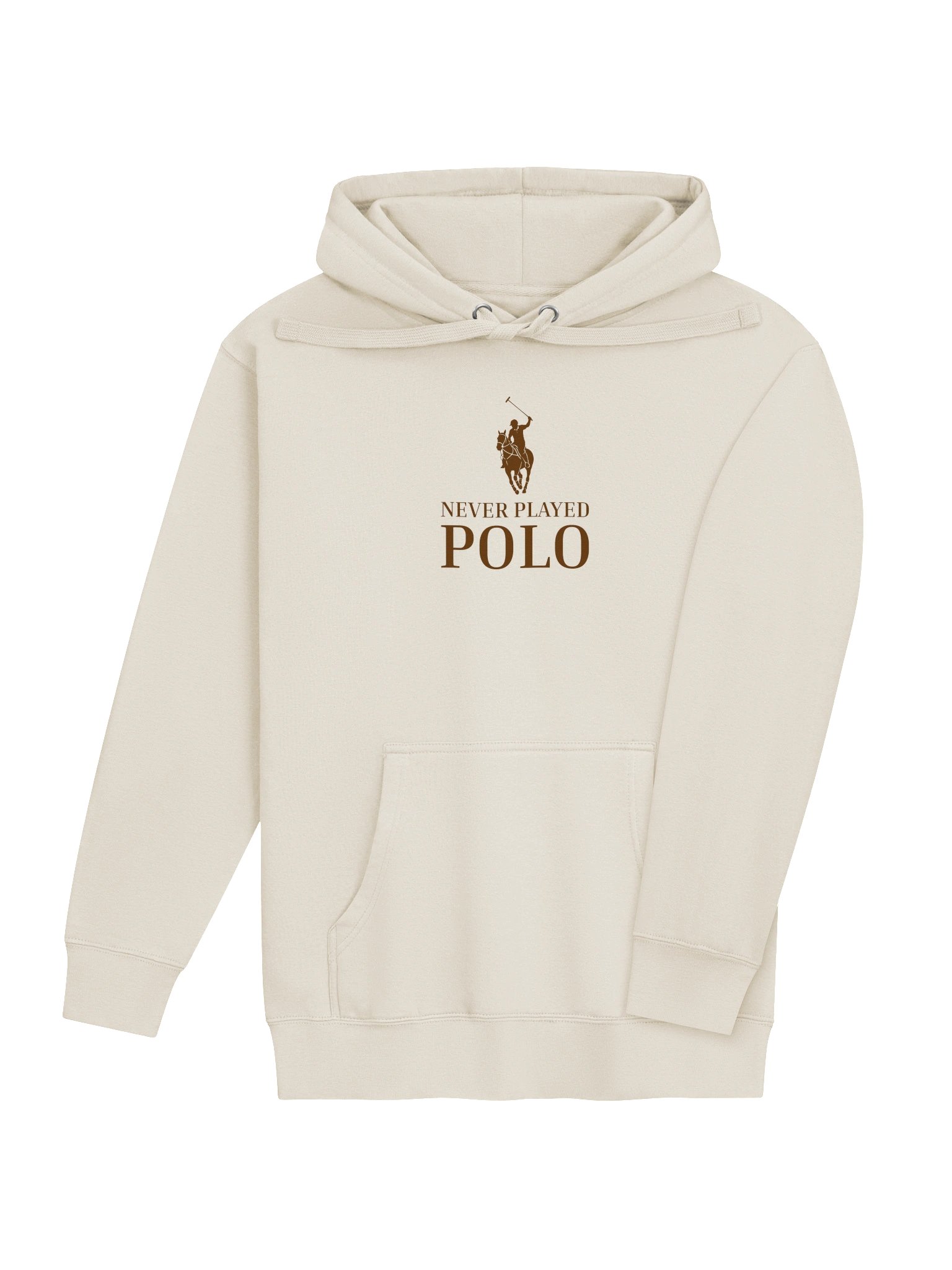
“Never Played Polo” works because it skips past the shirt entirely and goes for the real target: the gap between an actual sport and the identity people buy when they wear its name, having possibly never touched a mallet in their life. A good parody notices something you already half-knew and says it before you did.

Why anyone actually buys this

A logo tee is, functionally, an ad you paid for. You cover the manufacturing cost, and the brand gets a walking billboard, plus whatever it implies about your taste or your bank account. Parody streetwear flips who’s talking. Instead of repeating someone else’s name, you’re wearing a specific opinion about names, status, and why any of it matters as much as it does.

That’s most of what Paak Design is built around. Lactose, Herpès Paris, Balanceyoga — none of them exist to look expensive. They exist because a straight logo says nothing you actually meant, and a decent parody says exactly what you think, on purpose, where people can see it.