🚚 FREE WORLDWIDE SHIPPING ON ORDERS OVER $70 (~€60)

Best Gifts for People Who Hate Designer Logos

A stranger’s last name, stitched in six-inch letters across someone’s chest, wrapped in tissue paper and handed over with a bow. That’s how a lot of gift shopping works, and somehow everyone just accepts it.

The company didn’t design that shirt for the person wearing it. They designed it to advertise. The wearer paid full retail for the privilege of being a walking billboard, and the person who bought it as a gift usually didn’t think twice.

Some people genuinely don’t mind this. A recognizable logo is shorthand — familiar, easy, a little bit of pride stitched into cotton. Nothing wrong with that.

But there’s a specific kind of person who finds the whole arrangement a little ridiculous: paying money to promote a fashion house, a sports team, or a city they’ve never lived in. If that’s who you’re shopping for, a shirt with someone else’s name on it is close to the worst option on the table.

A blank shirt isn’t the answer either. Strip the logo and give someone plain cotton with nothing on it, and you haven’t made a statement — you’ve made laundry. The point was never the absence of a mark. It’s who gets to decide what the mark is.
Good parody isn’t a cheap swap, it’s a redesign

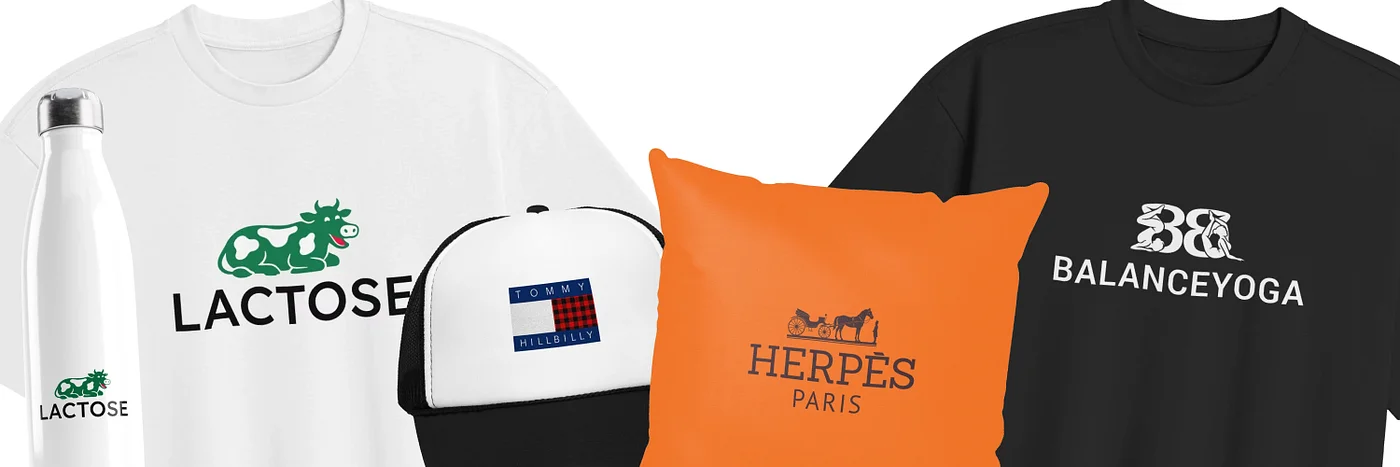
There’s a lazy version of this joke and a good version, and the difference shows up in the details nobody was forced to add. Swap two letters in a logo and stop there, and you’ve made a knockoff with a worse punchline. Swap two letters and then actually rebuild the thing — new mascot, new slogan, a visual gag that holds up on its own — and you’ve made something people want to own.

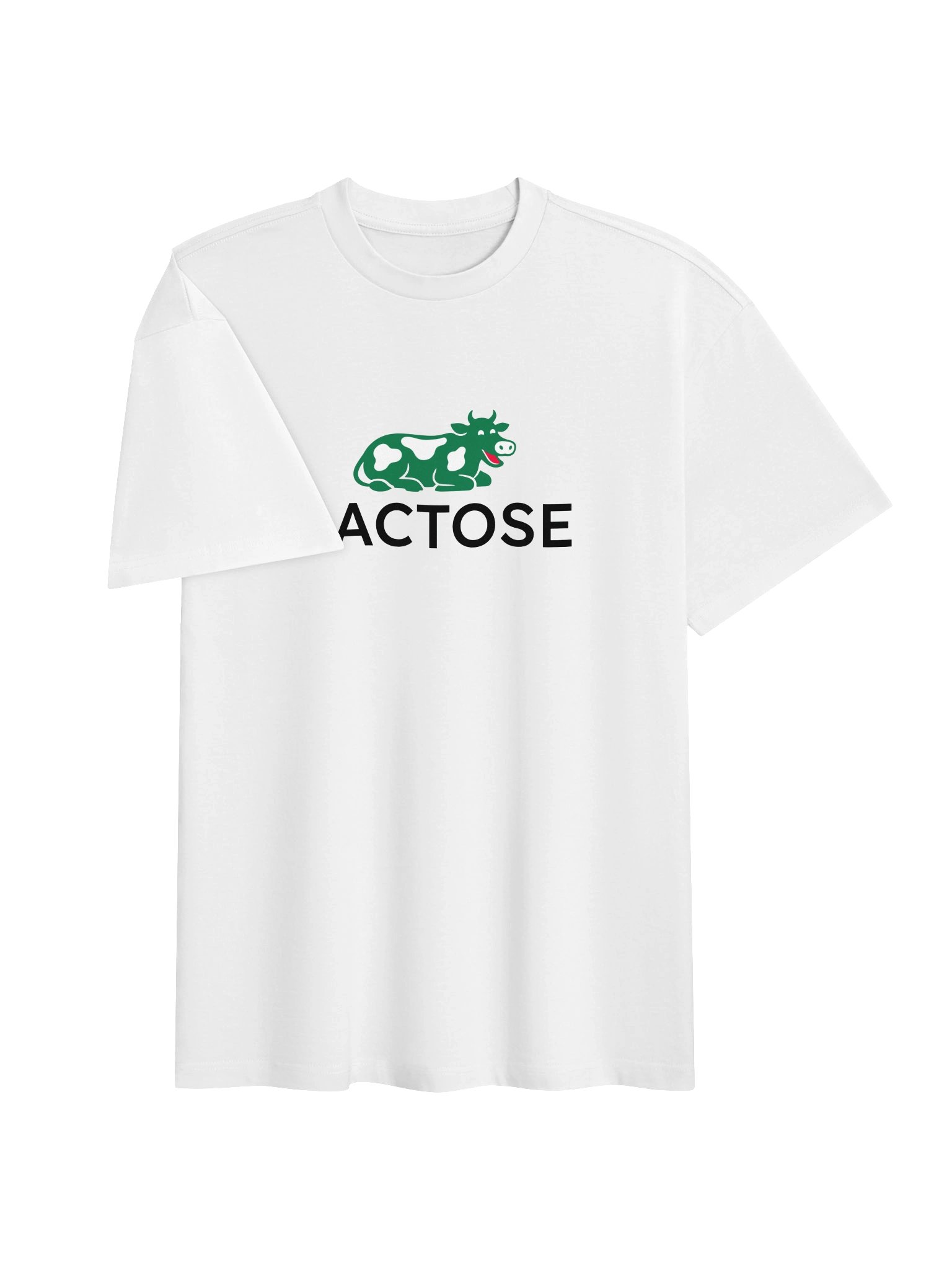
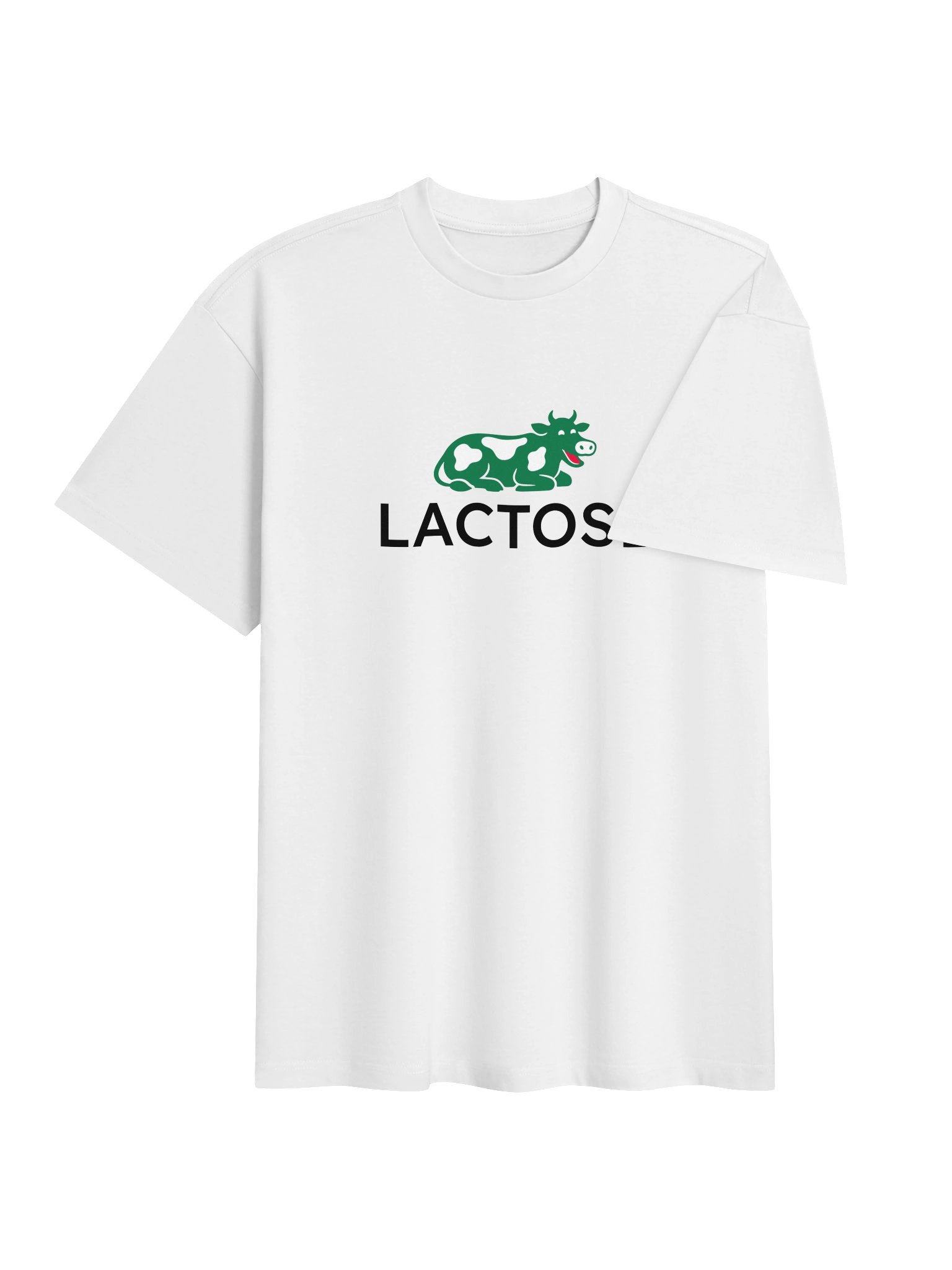
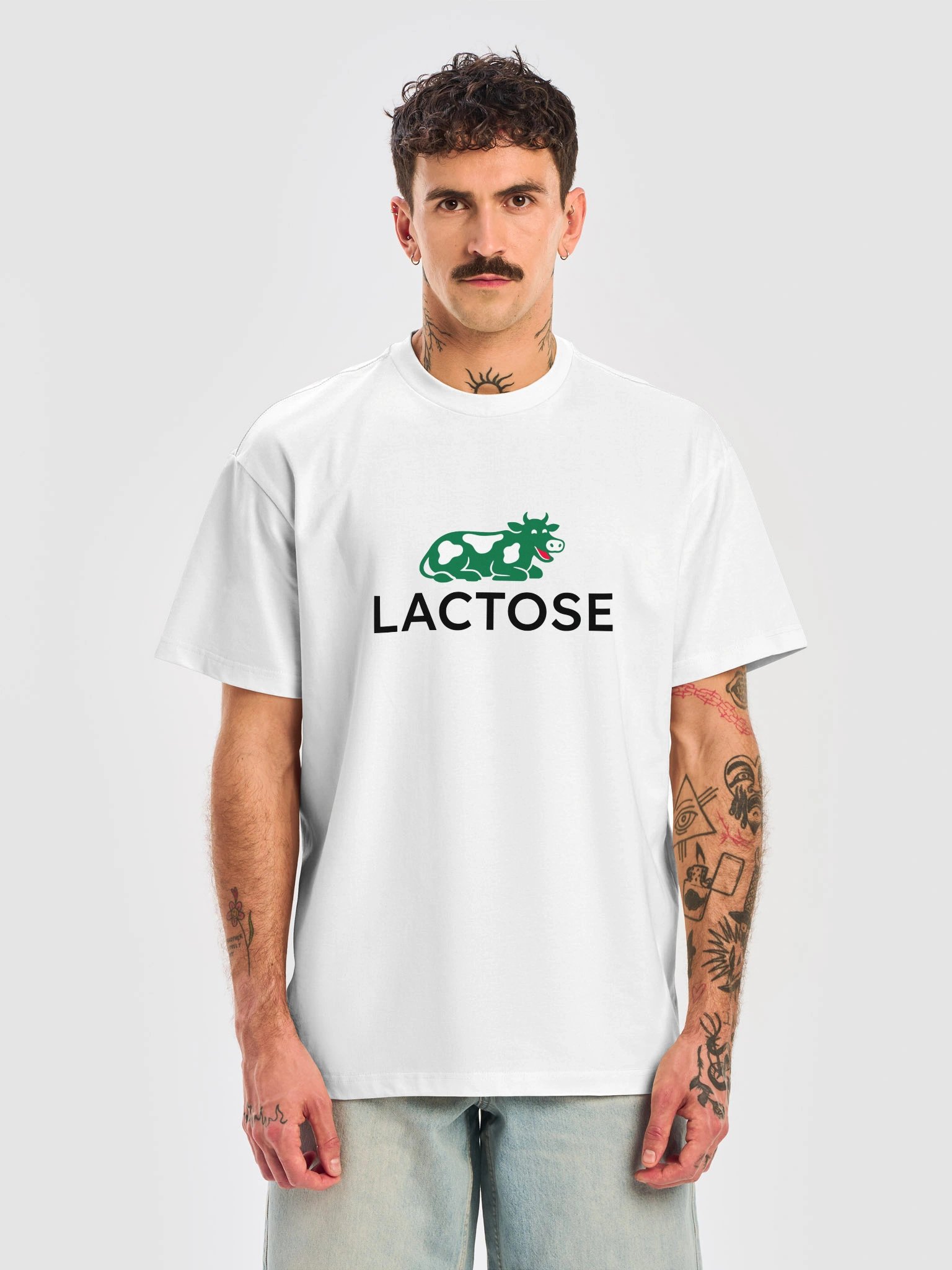
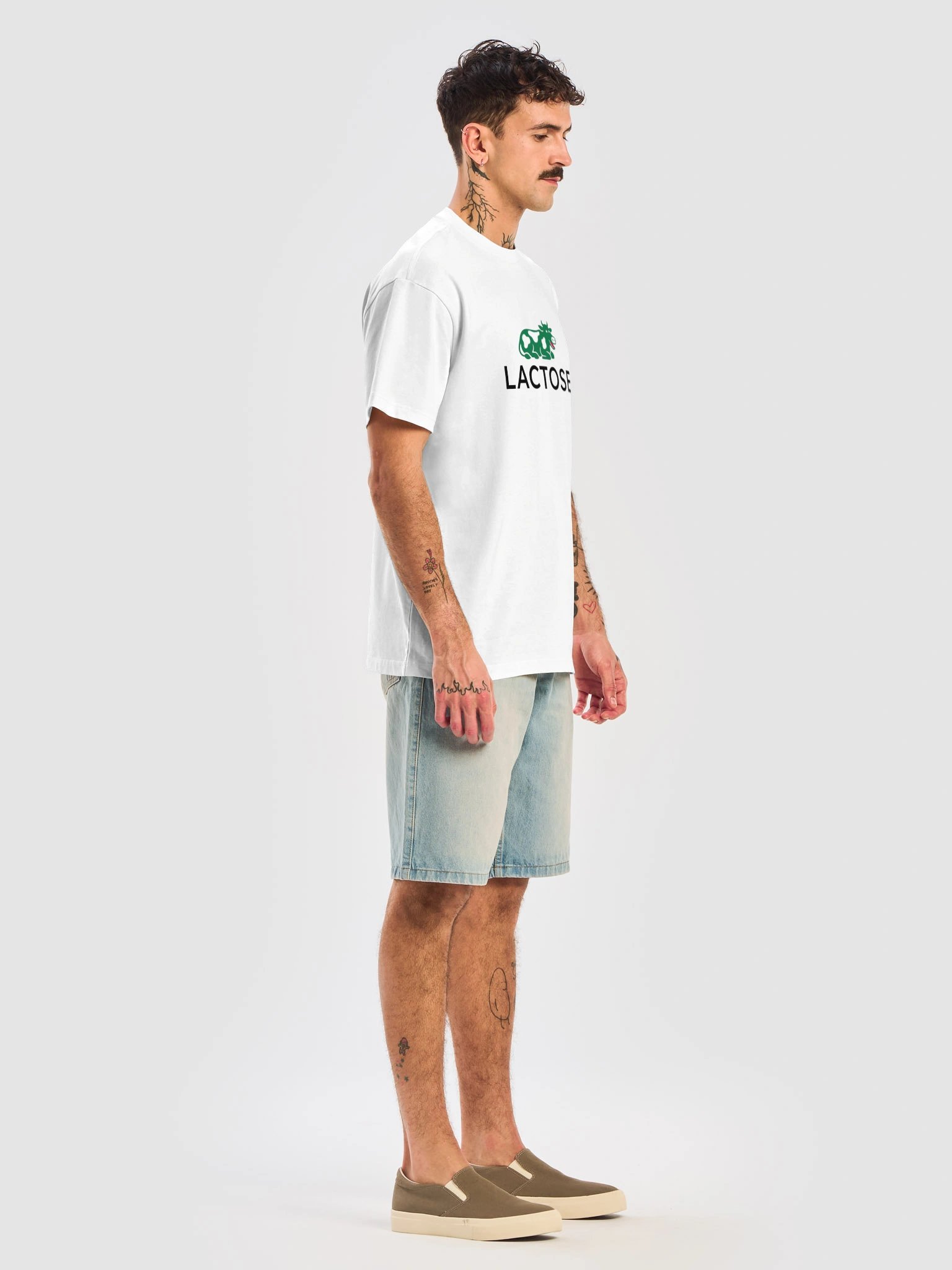
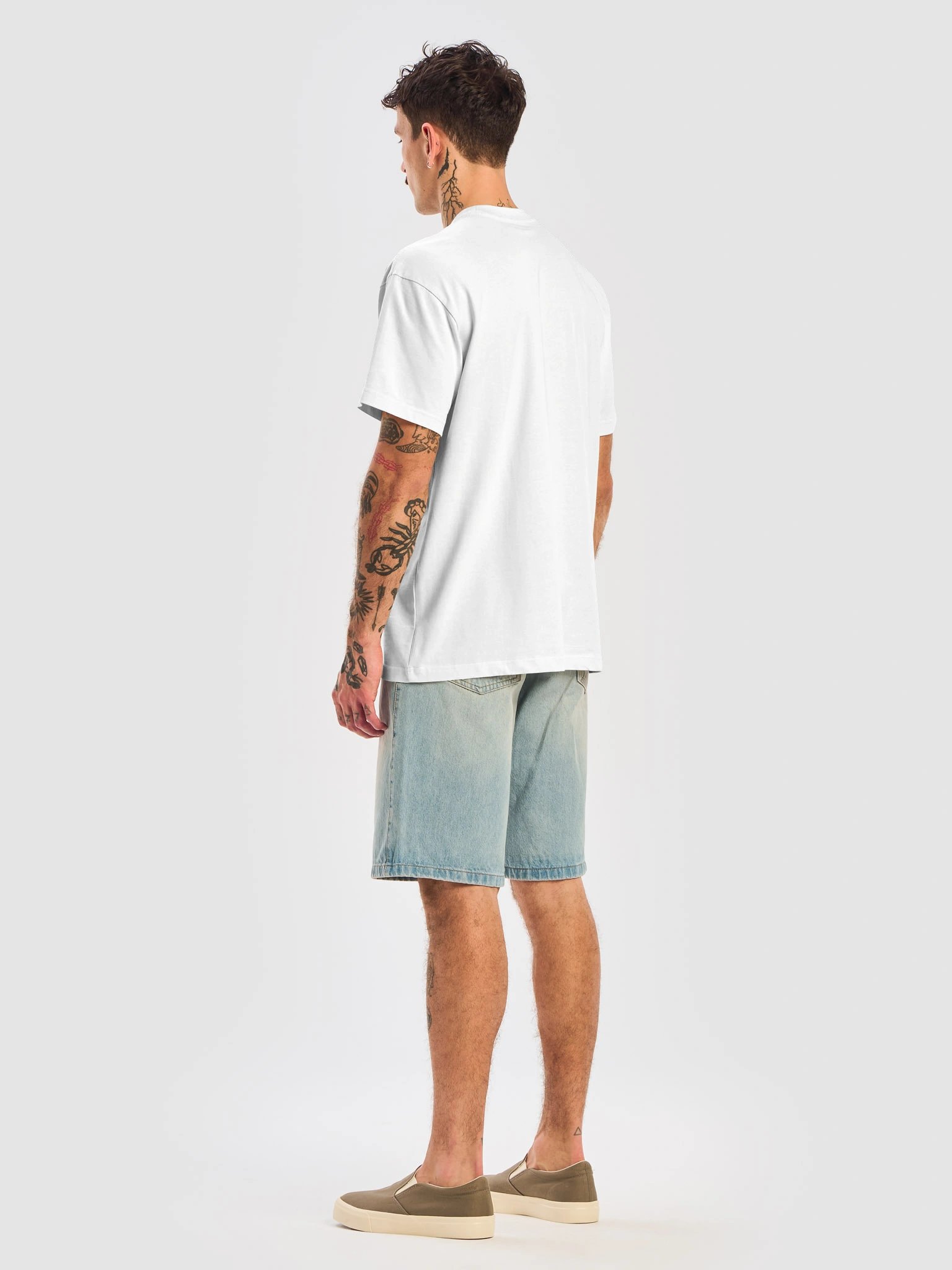
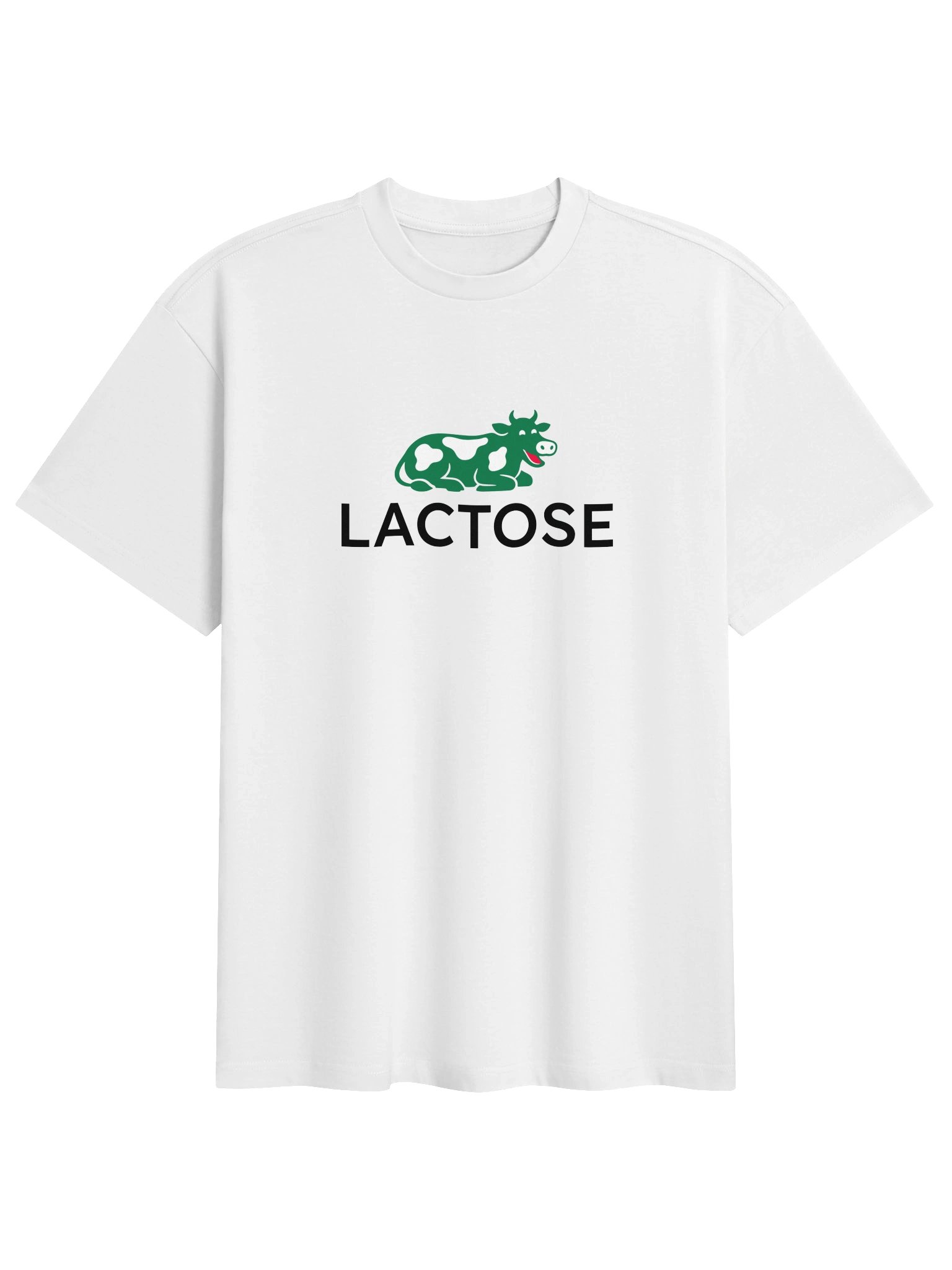
Lactose works because the crocodile didn’t just become a cow. It became a specific, deliberately spotted cow that looks like it was designed by someone who cares, not generated in five seconds. Bvlgaria isn’t just a respelled logo — the mark is a guy mid-Bulgarian split squat, which is the kind of detail that only shows up when someone actually sat down and worked the joke through. That’s the whole test for this category of gift: did the designer stop at the pun, or keep going until the pun earned its shirt.

Match the joke to the person, not just the price point

The best version of this gift knows something true about the recipient. Not “they like weird stuff” in general — something specific.

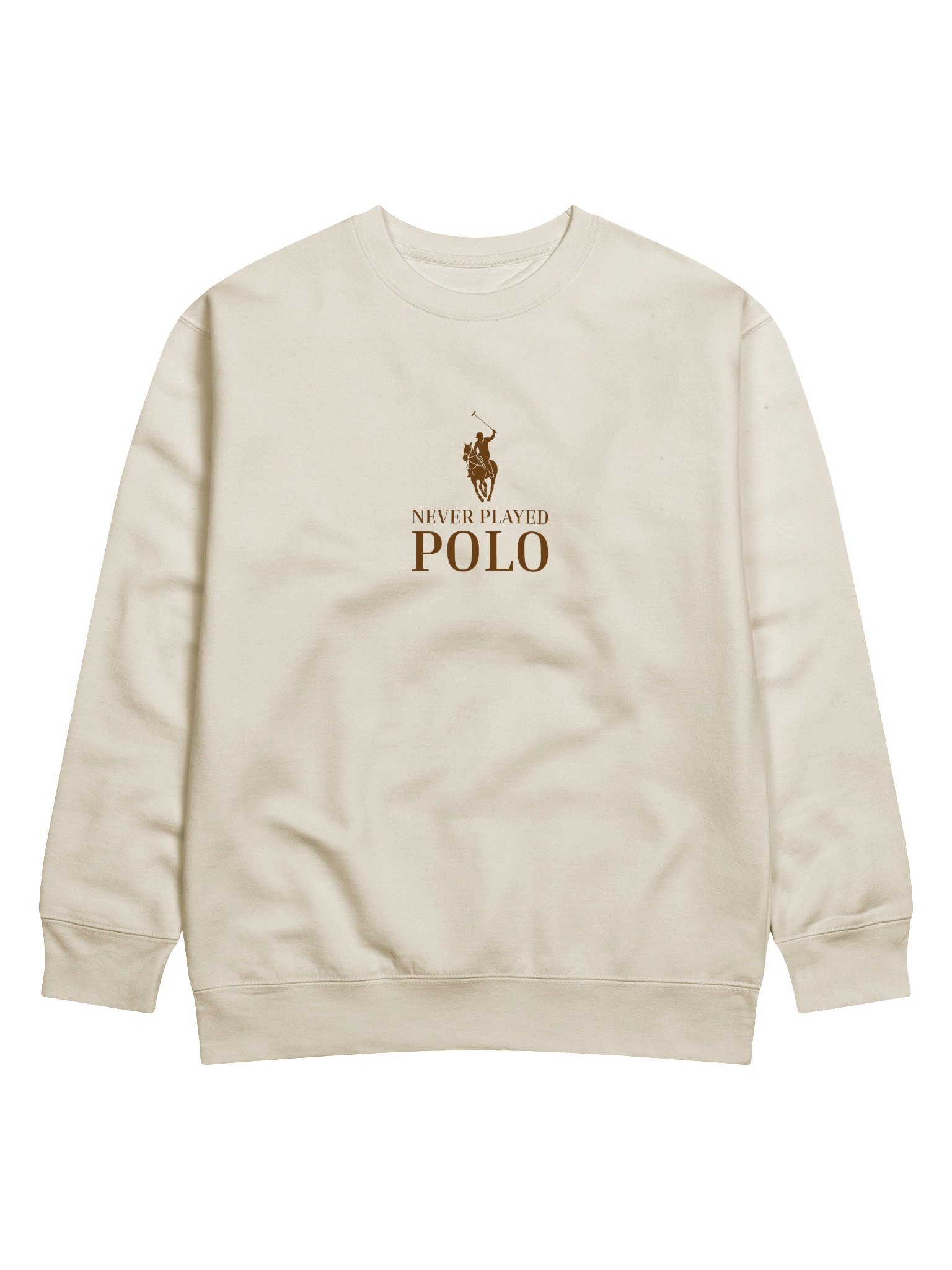
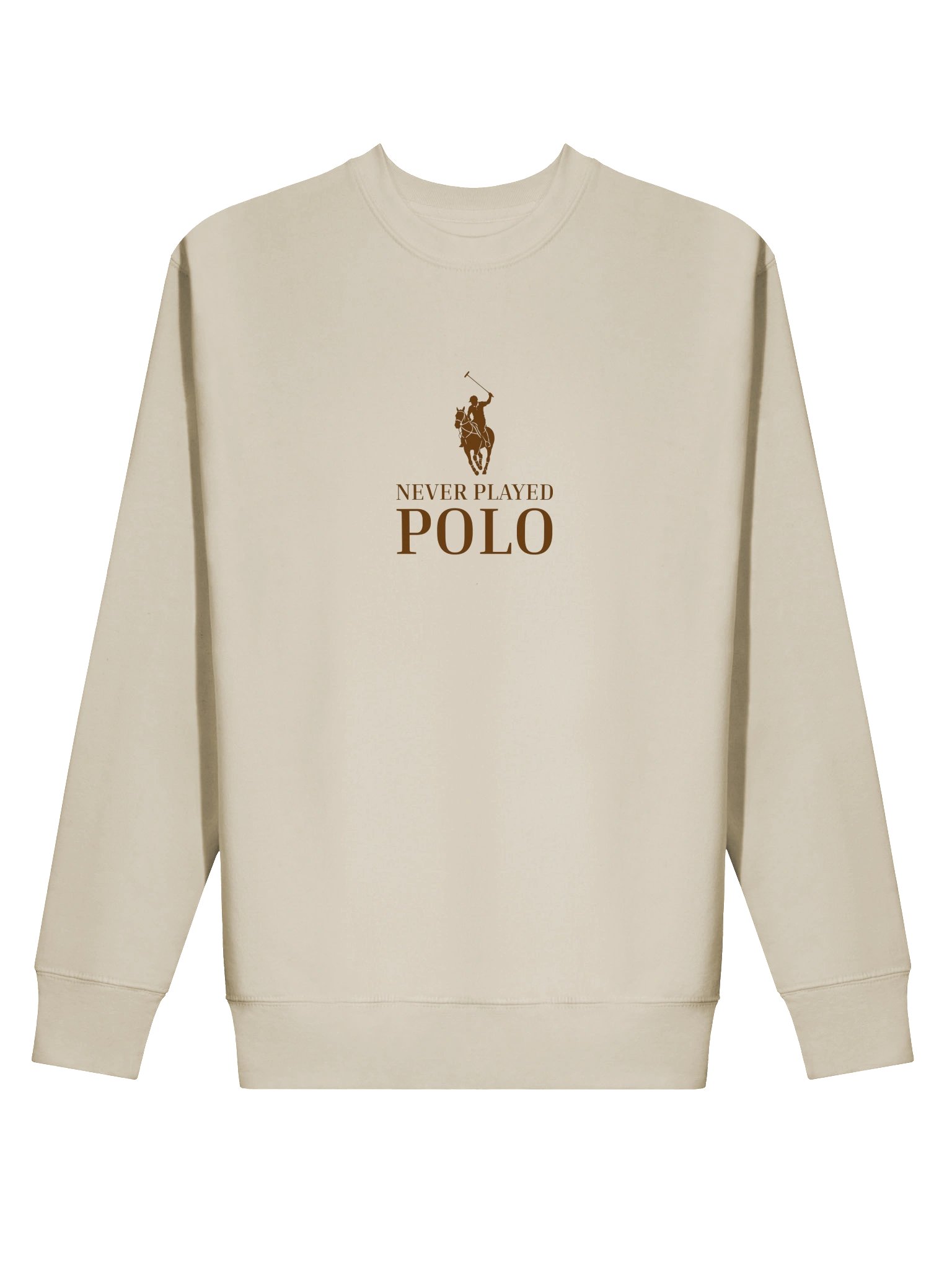
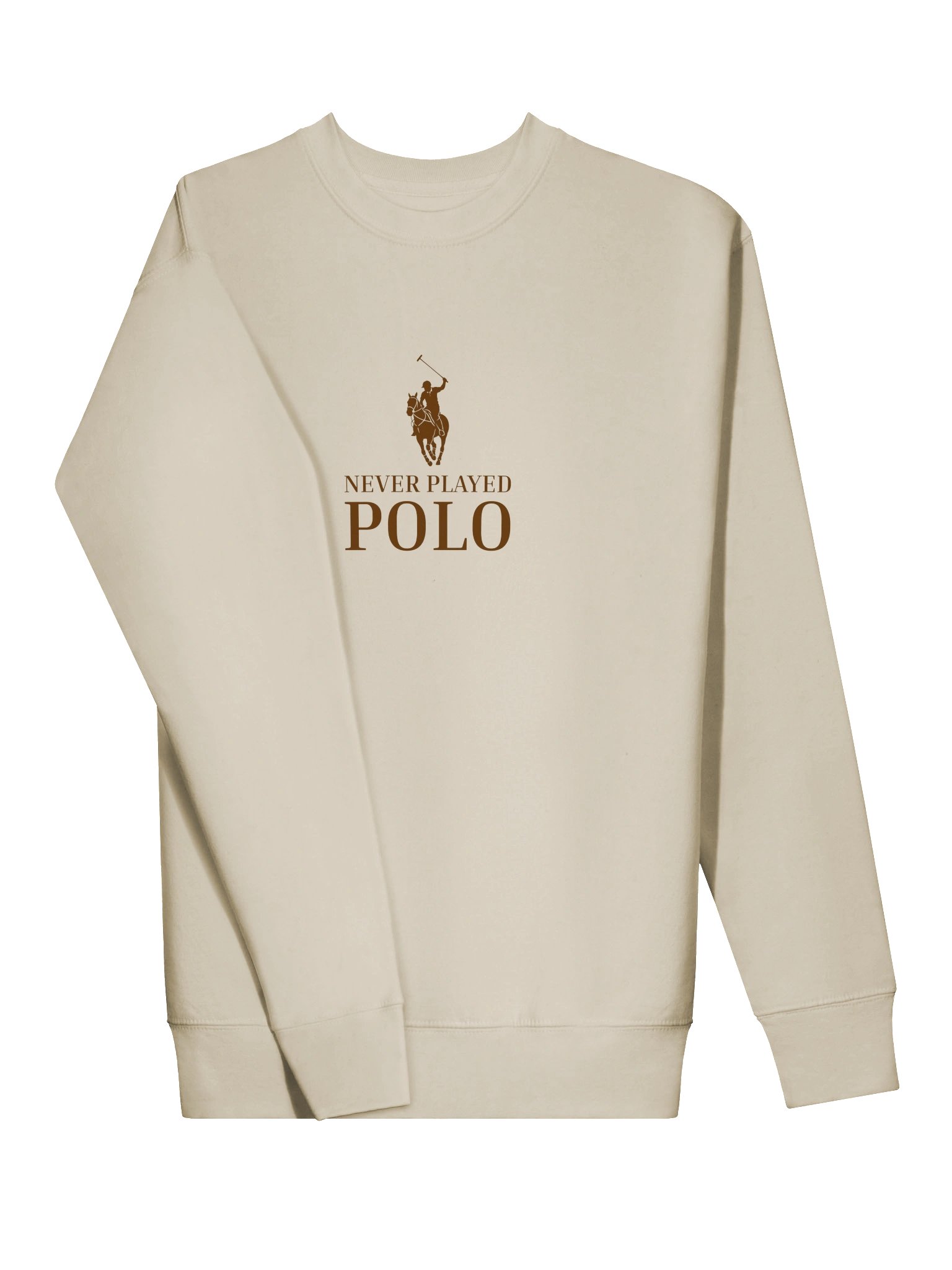
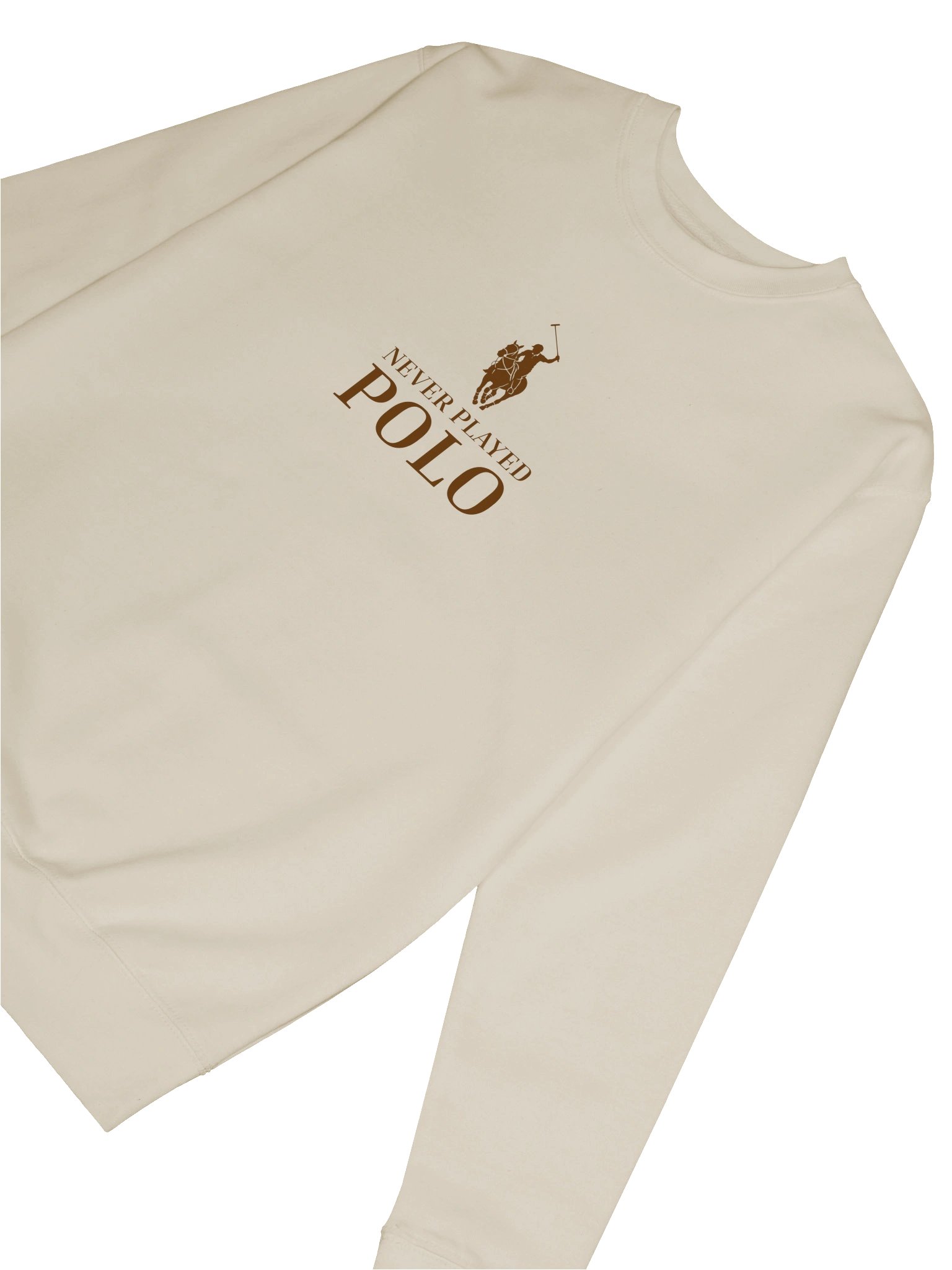
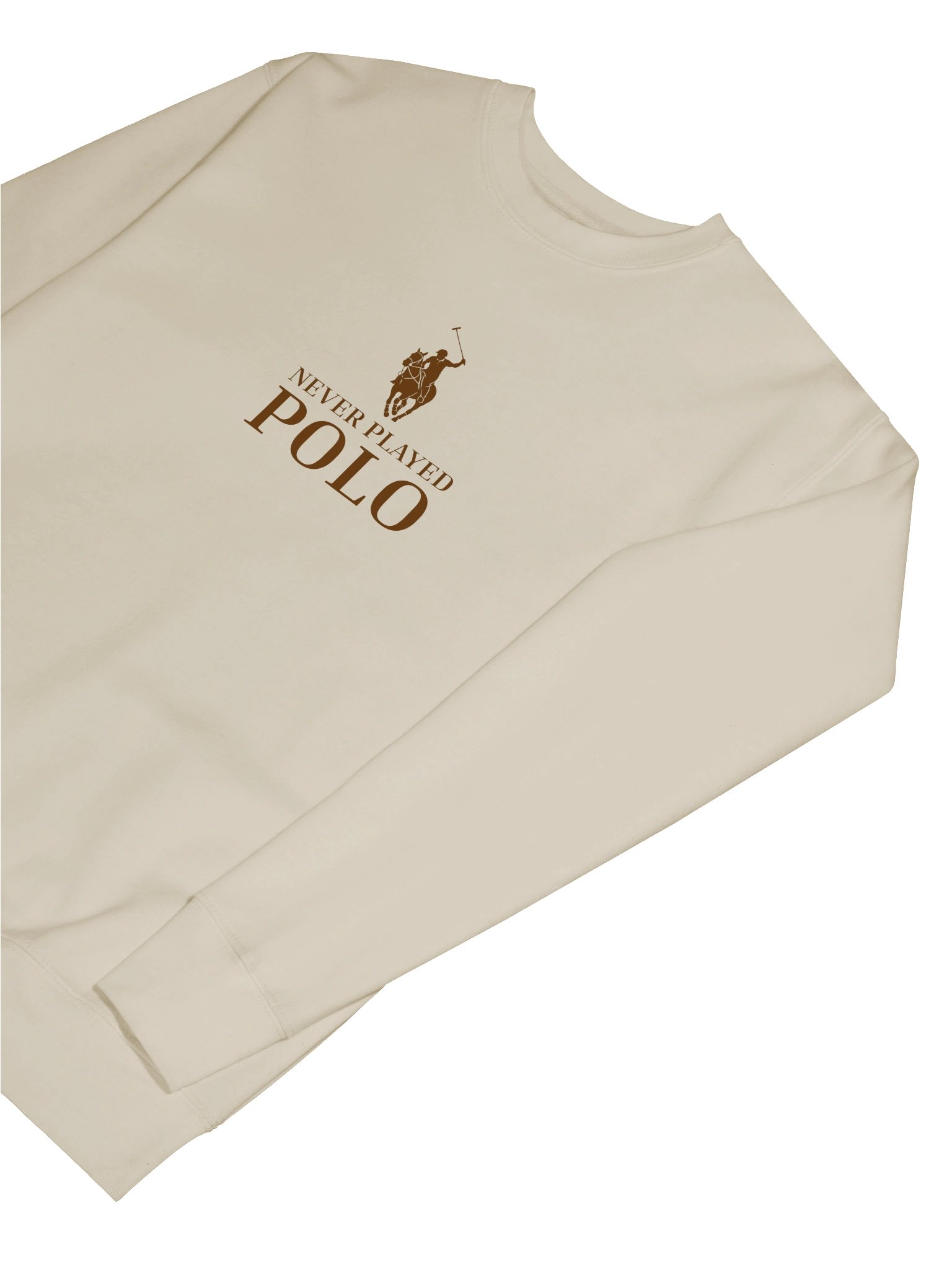
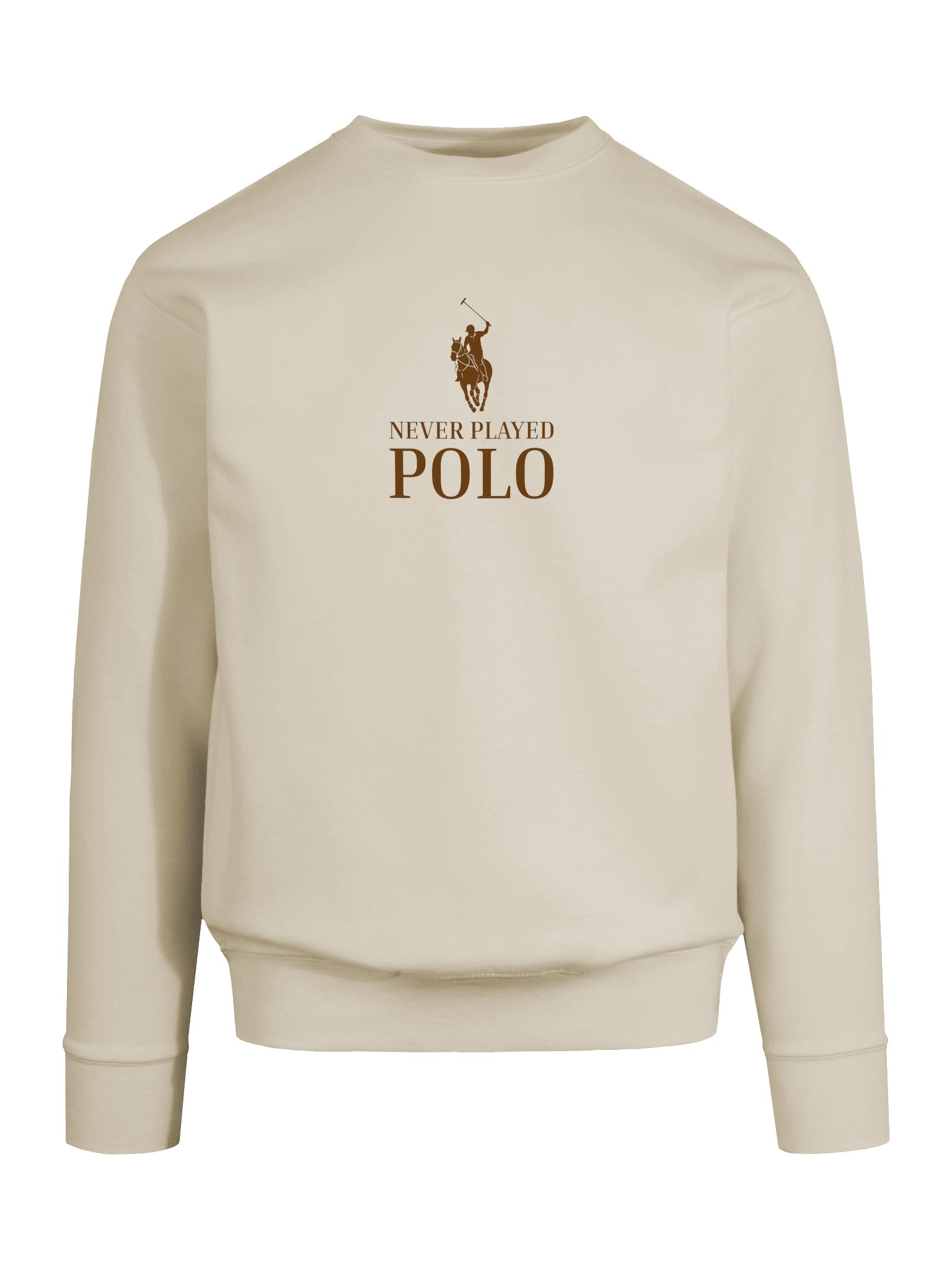
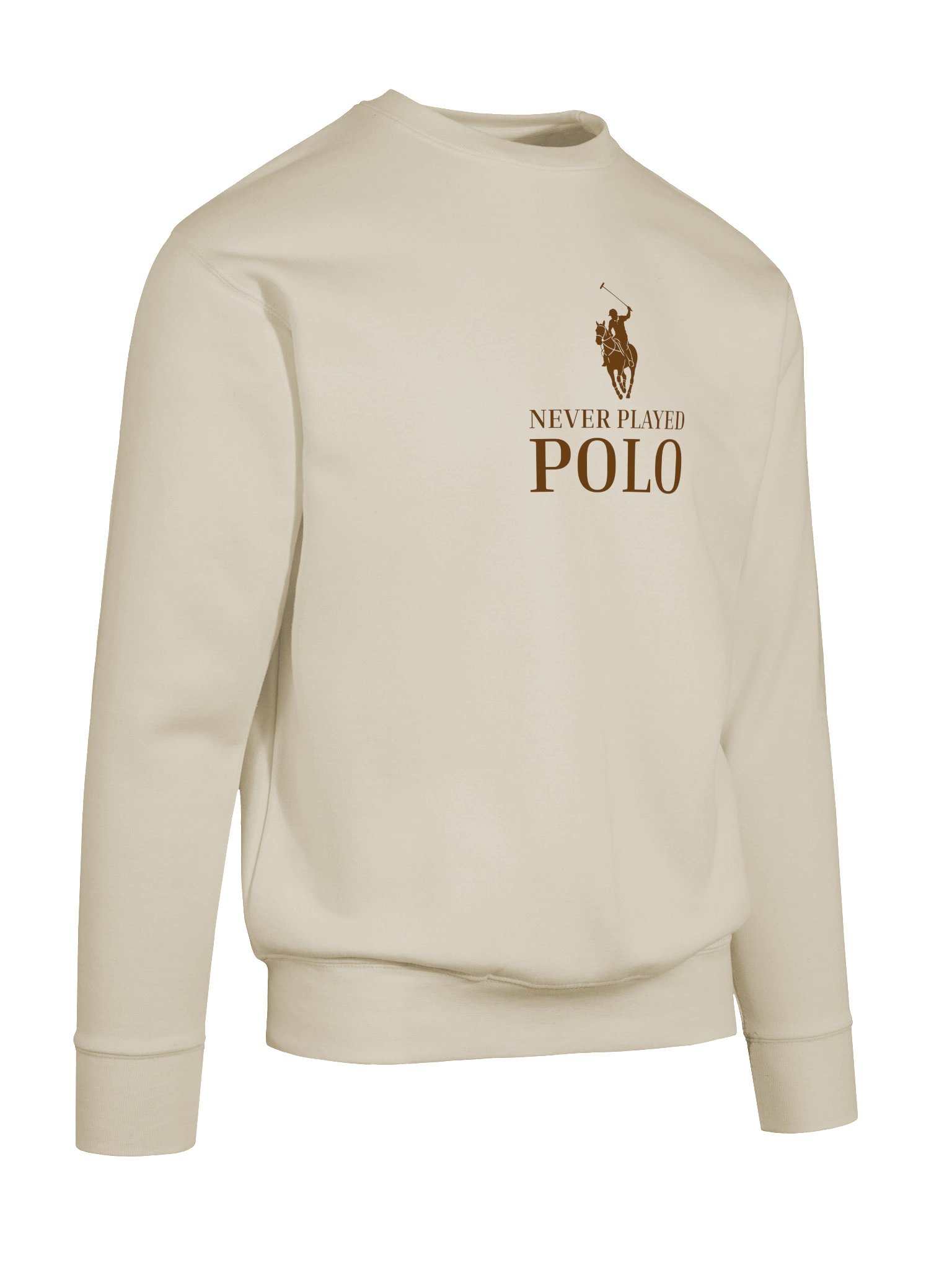
- The friend who’s never held a golf club but owns three quarter-zips: a Never Played Polo hoodie says the quiet part out loud, and does it better than any lecture about sports-brand cosplay ever could.

- The person whose sense of humor runs toward sight gags more than wordplay: a Lactose tee, cow and all, lands the joke before anyone reads a word.

- Someone who’s already drowning in tote bags from conferences and airlines: give them one that’s actually making a point, so the bag stops being clutter and starts being a small argument they carry to the grocery store.

None of this requires the person to become an evangelist for anything. That’s the difference between wearing a joke and wearing a job application to a brand’s marketing department.

For people who won’t wear the bit in public

Not everyone wants to commit to a graphic on their chest, and that’s fine — the joke doesn’t have to leave the house. A mug on someone’s desk gets seen by exactly the people who’ll appreciate it and nobody else. A notebook is low-stakes enough for the coworker who’d never wear a parody hoodie to a client meeting but will absolutely doodle in one that has a horse sitting in a car on the cover. Dad hats and bucket hats sit somewhere in between — visible, but not shouting.

The gift still works. It just asks less of the person receiving it.

Somewhere between the tissue paper and the thank-you text, most gifts default to the safest, most recognizable option available, which is usually somebody else’s name in giant letters. The alternative isn’t harder to find. It’s just a little more specific, which is generally true of anything worth giving.