🚚 FREE WORLDWIDE SHIPPING ON ORDERS OVER $70 (~€60)

Why Do People Wear Logos on Their Clothes?

Walk down almost any busy street and you’ll see them.

A little crocodile. A swoosh. A polo player. Three stripes. A familiar monogram. A university crest. A football club badge. A giant word printed across someone’s chest.

Sometimes the logo is the main reason the person bought the shirt.

Sometimes they barely notice it’s there.

And sometimes the logo is doing an impressive amount of talking.

Clothes are a weird form of communication because you can say quite a lot without opening your mouth. A logo can hint at what you like, where you belong, what you can afford, who you want to resemble, or simply what you think looks good.

So why do people wear logos in the first place?

Sometimes, the logo is the point

The most obvious answer is status.

Some brands carry social meaning far beyond the physical product they’re attached to. A recognizable luxury logo can communicate wealth, success, taste, exclusivity, or some combination of the four without the wearer having to explain anything.

Researchers have found that luxury-brand logos can influence how other people perceive the wearer, including judgments about wealth and social status. In some experiments, people wearing luxury-branded clothing even received more favorable treatment than people wearing similar clothing without the logo.

Put two nearly identical T-shirts next to each other. One is unknown. The other has a globally recognized luxury logo on the chest.

The cotton hasn’t suddenly become better.

The seams haven’t become more carefully stitched.

Yet the second shirt can command a completely different price because people aren’t only buying the physical shirt. They’re buying what the name means.

Then there’s the less conscious version

Not everyone is walking around thinking, Excellent. This logo should communicate my socioeconomic position today.

Some people aren’t that deliberate about it.

A much simpler explanation is familiarity.

We’ve seen certain logos thousands of times. On television. In shops. Online. On other people’s clothes. In sports. On billboards. In films. At airports. Everywhere.

That repetition matters. Brand familiarity is associated with perceptions of quality and can influence purchase intentions, particularly in fashion.

And it makes intuitive sense.

Imagine you’re standing in a shop looking at two shirts from brands you’ve never heard of. Then a third shirt has a logo you recognize immediately.

You know absolutely nothing about the factory, fabric weight, stitching, or quality control.

But your brain has already seen that logo a few thousand times.

The familiar one feels safer.

That’s one of the huge advantages established brands have. Recognition itself becomes an asset. The company gets people used to seeing the symbol, and eventually the symbol starts doing some of the convincing.

The strange part is that this can happen even when someone couldn’t tell you much about the actual product.

They trust the logo because they recognize the logo.

Sometimes people just don’t care

There’s also a much less interesting answer.

Some people simply don’t care.

They need a T-shirt. They find one. It has a logo on it. Fine.

Not every item of clothing is an identity statement. Sometimes a person gets dressed in approximately forty seconds and would be thrilled if nobody asked them to think about their outfit any further.

This matters because it’s easy to assume that every logo is intentional communication.

It isn’t.

People have different levels of interest in clothing, brands, design and appearance. For some, a logo is a meaningful symbol. For others, it’s just what’s printed on the shirt they happened to like.

A logo can say: “These are my people”

Status isn’t the only social function of a logo.

A logo can create belonging.

Sports teams, universities, companies, bands, clubs and countless subcultures use visual symbols to identify their members. Wearing one can communicate a very simple message:

I belong here.

That’s particularly powerful when the symbol is recognizable to other members of the same group.

A football shirt isn’t only a piece of fabric. A university sweatshirt isn’t only a sweatshirt. A band T-shirt can tell another person in a crowded room, You like this too.

Clothing makes it possible to find your people without actually asking everyone around you who they are.

And this is where things get funny.

Because sometimes the belonging is completely imaginary.

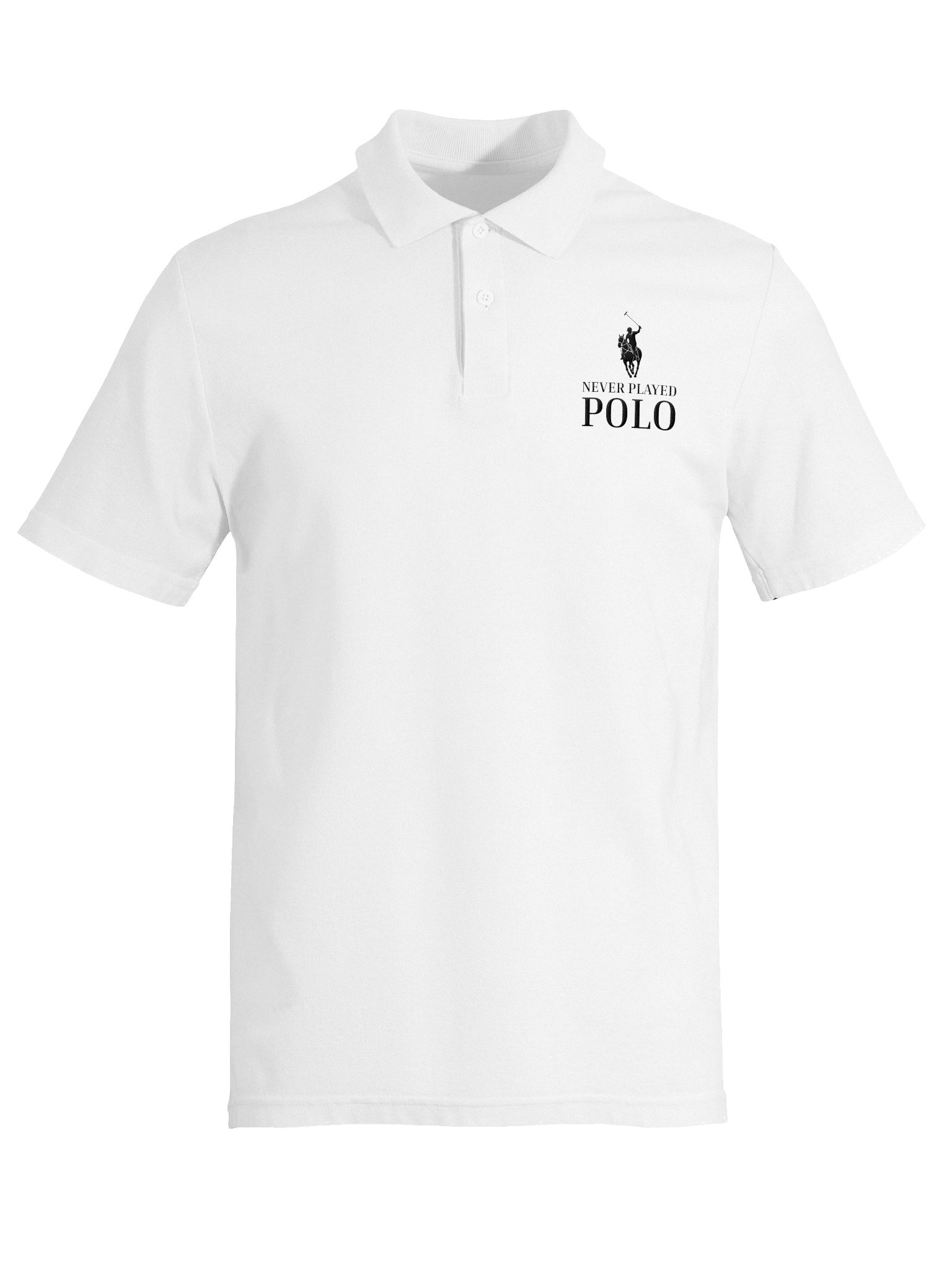
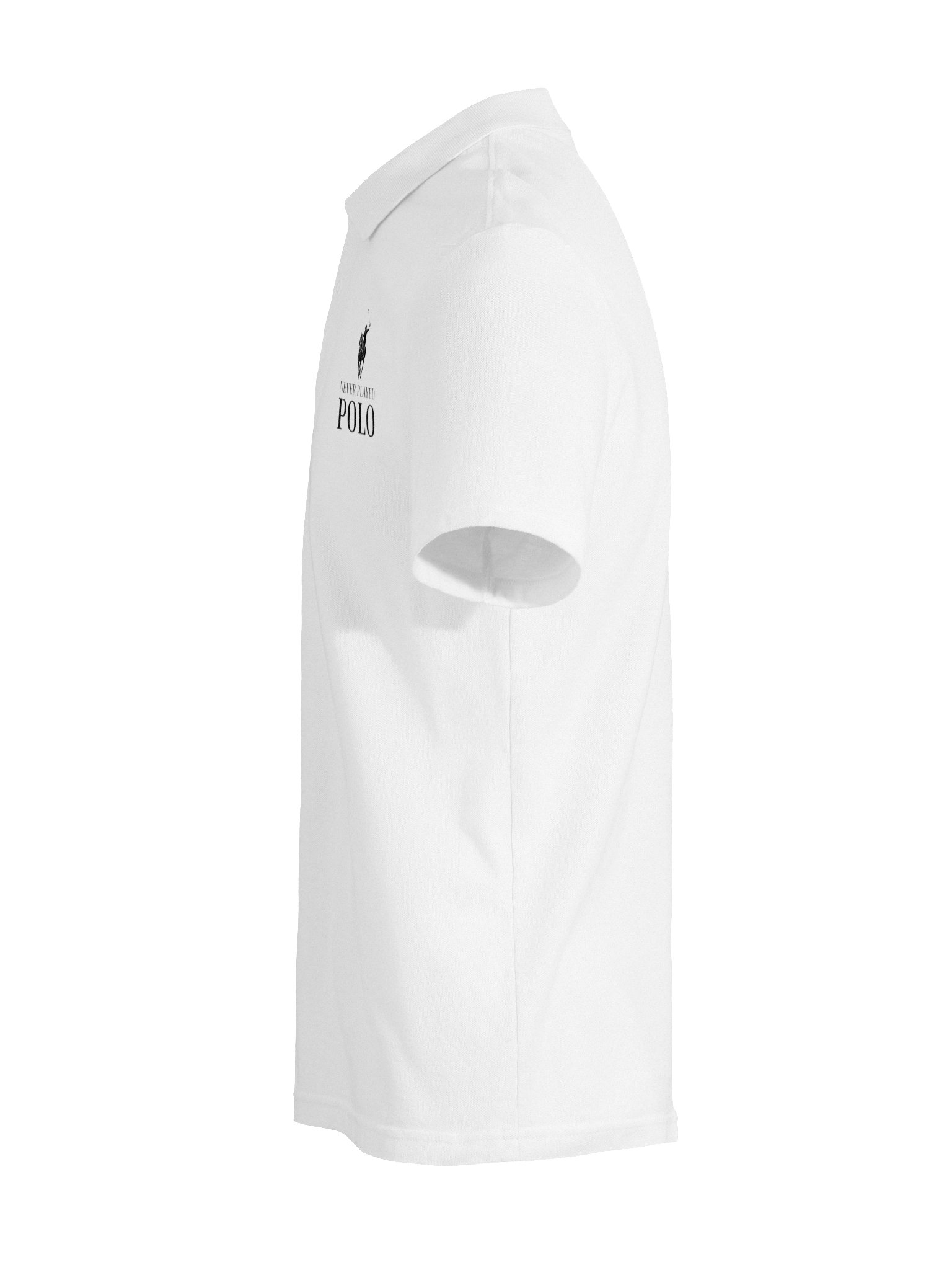
You’ve never played polo

Fashion has a long history of borrowing identities from activities and communities and turning them into products.

You don’t have to play tennis to wear tennis-inspired clothing.

You don’t need to spend your weekends sailing to dress like you’re about to board a yacht.

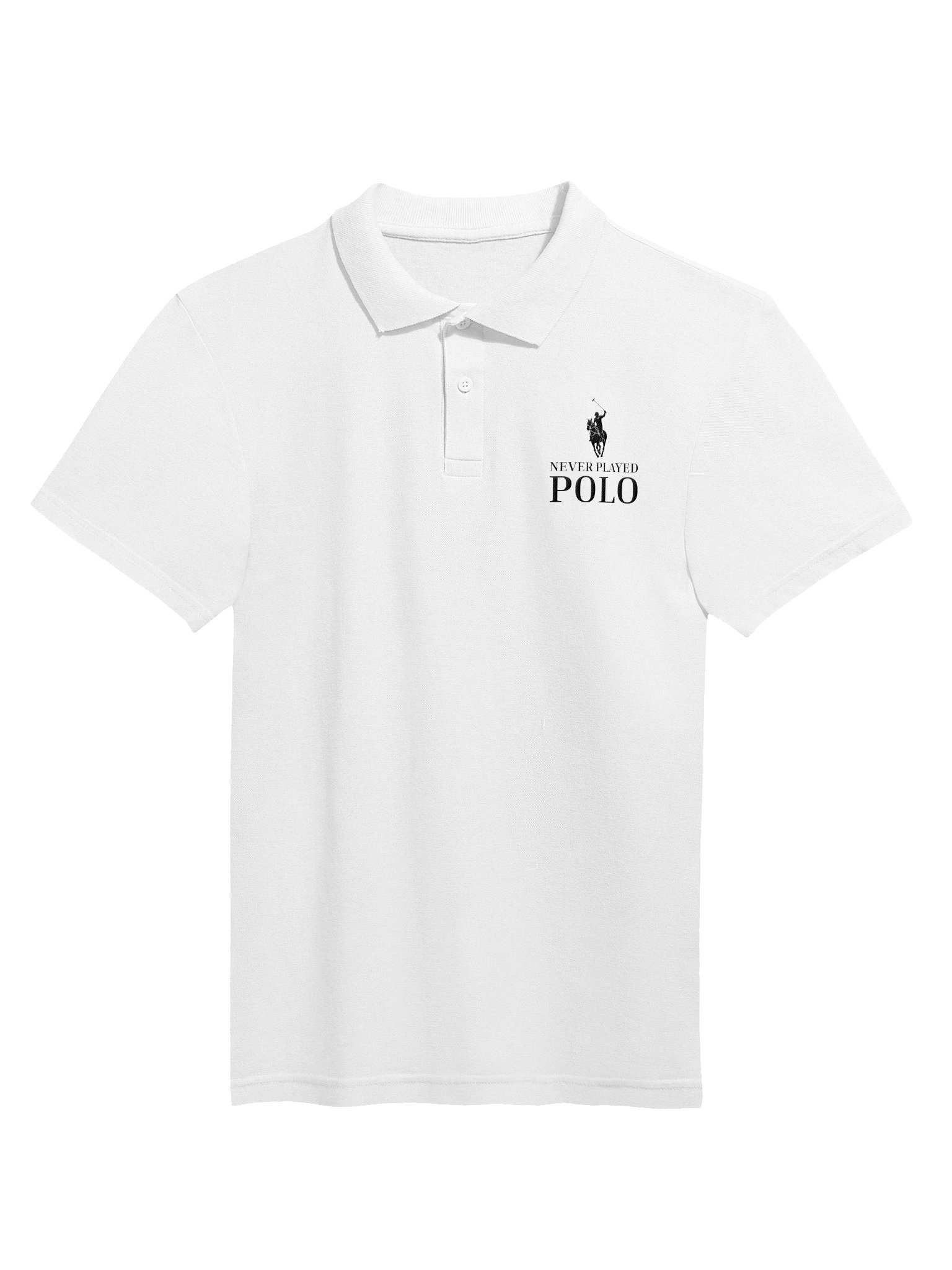
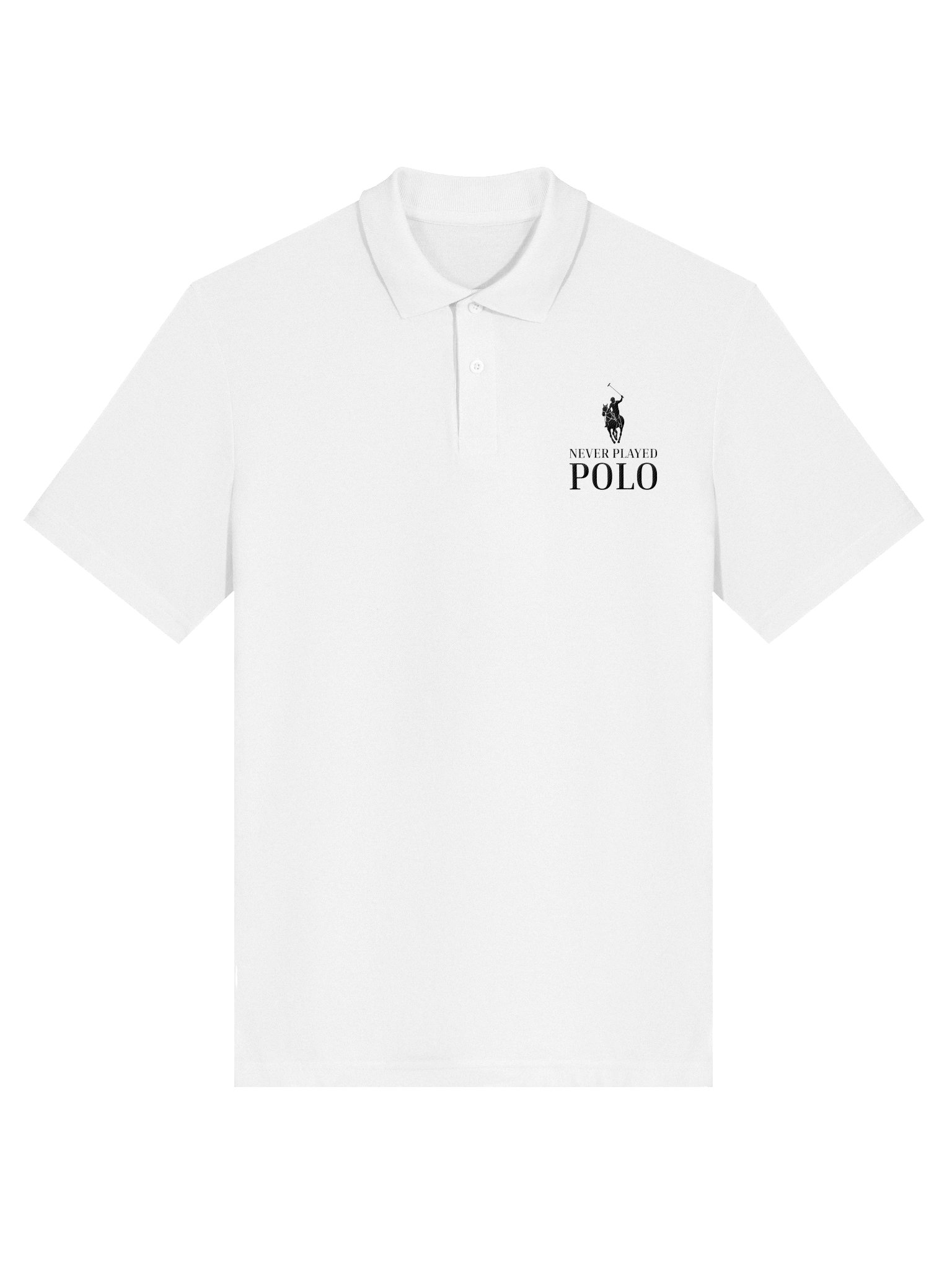
And you definitely don’t need to have ever played polo to wear a polo shirt.

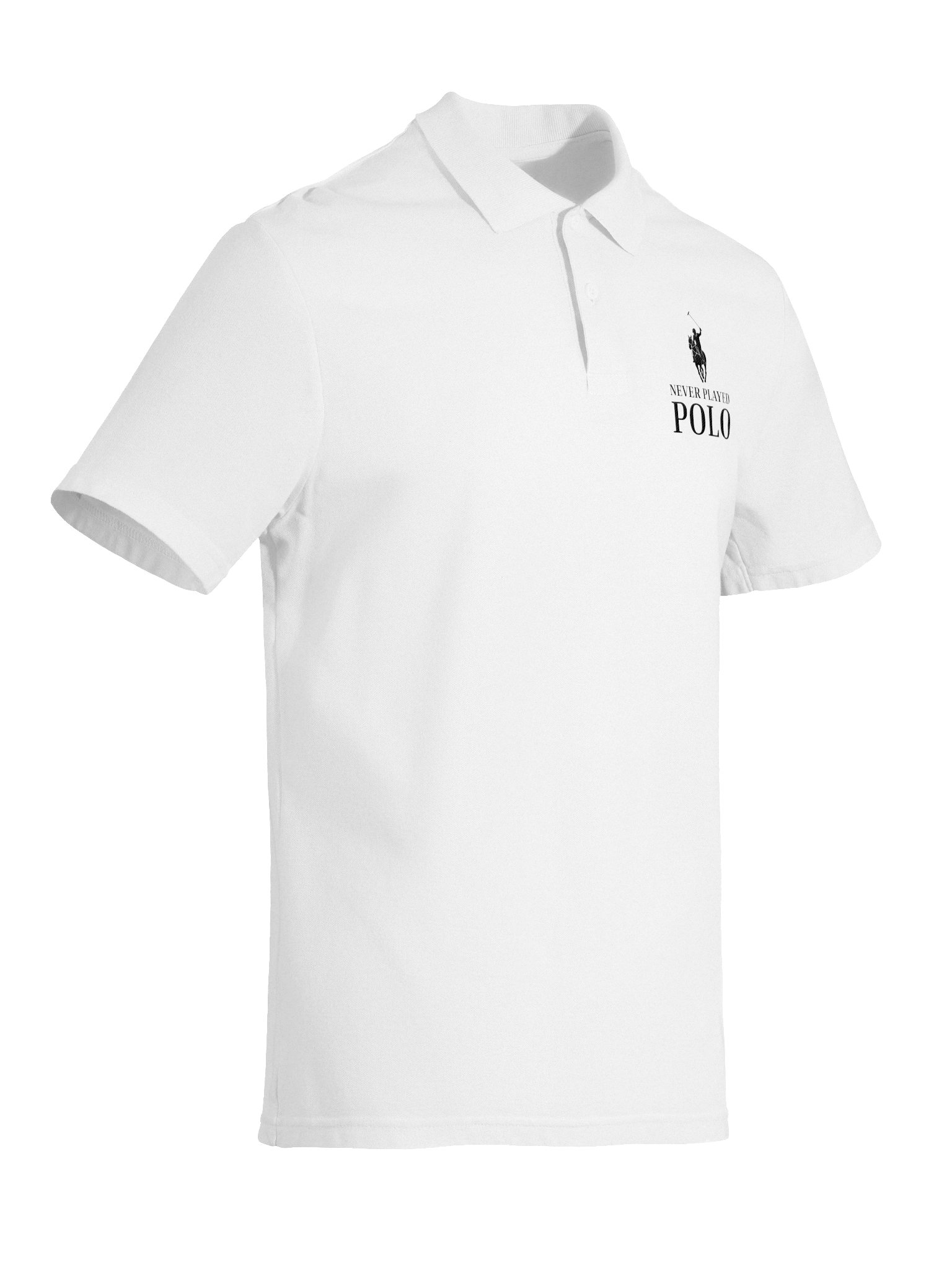
That’s one of the ideas behind Paak’s Never Played Polo design.

The joke works because it points at something slightly ridiculous that most of us have stopped noticing.

A sport becomes a fashion identity. The identity becomes a logo. The logo becomes clothing. Eventually, someone can wear the visual language of a sport they’ve never played, watched, or particularly cared about.

And nobody finds this strange anymore.

That’s actually quite interesting.

The logo becomes a shortcut

Another reason logos are so powerful is that they reduce the amount of thinking required.

Instead of evaluating a garment from scratch, people can use the brand as a shortcut.

“This brand is good.”

“This brand is expensive.”

“This brand makes cool stuff.”

“I trust this company.”

“I know what I’m getting.”

These shortcuts are useful. There are far too many products in the world for us to carefully investigate every one.

The problem is that the shortcut can become stronger than the thing it’s supposed to represent.

A recognizable logo can make a mediocre product seem more desirable than a well-made product from an unknown brand simply because one comes with a reputation attached to it.

The brand becomes a kind of pre-installed opinion.

At some point, you aren’t buying the shirt

You’re buying the name.

This is probably the strangest part of logo culture.

Imagine two shirts that are similar in quality and appearance. One costs $30. One costs several hundred dollars because of the brand attached to it.

There are legitimate reasons a more expensive garment might cost more. Better materials, construction, craftsmanship, design, production methods and so on.

But sometimes the difference isn’t primarily physical.

It’s symbolic.

Fashion brands have spent decades teaching consumers to associate logos with quality, desirability, prestige and exclusivity. Research into status consumption specifically examines brands as signals people use to communicate social position.

The result is a strange situation where the logo can become one of the most valuable parts of the product.

The shirt exists to carry the logo.

The logo exists to carry the brand.

And the brand exists partly because everyone recognizes the logo.

It’s a surprisingly effective loop.

You’re paying to advertise it

There’s an absurd little contradiction built into branded clothing.

You pay the company for the shirt.

Then you wear the company’s name in public.

Then you help other people recognize the company.

In other words, you’ve bought the privilege of becoming advertising space.

Obviously, that’s not always a bad deal. Sometimes the branding is part of the design and you genuinely like it. Sometimes you love the company and want people to know it.

But the underlying transaction is still funny when you stop and look at it.

The logo doesn’t have to be subtle

Modern branding has also blurred the line between logo and decoration.

A tiny embroidered symbol in the corner is one thing.

A giant logo across the entire shirt is another.

Brands can repeat monograms, enlarge symbols, cover garments in recognizable patterns or turn their own names into the graphic composition.

At that point, the branding isn’t sitting quietly in the corner anymore.

The branding is the design.

Sometimes that’s genuinely good design. A strong logo can be visually interesting, and incorporating it into a composition can produce something much better than simply dropping a company name onto a blank shirt.

But there’s still a difference between wearing an interesting design and wearing a particularly elaborate advertisement.

That doesn’t mean everyone should wear anonymous beige clothing and spend the rest of their lives whispering about minimalism. But there’s a difference between wearing a brand and wearing an idea.

One puts the company at the center.

The other puts the design at the center.

That’s a distinction Paak Design cares about.

Paak doesn’t put its own logo on its products. The point isn’t to turn the customer into a billboard for Paak. The design is supposed to stand on its own.

Sometimes that means parodying the logos people already know. Sometimes it means turning an everyday observation into a graphic. Sometimes it means making something that has absolutely nothing to do with fashion at all.

The company name isn’t the interesting part.

The idea is.

And maybe that’s a better reason to put something on your chest.